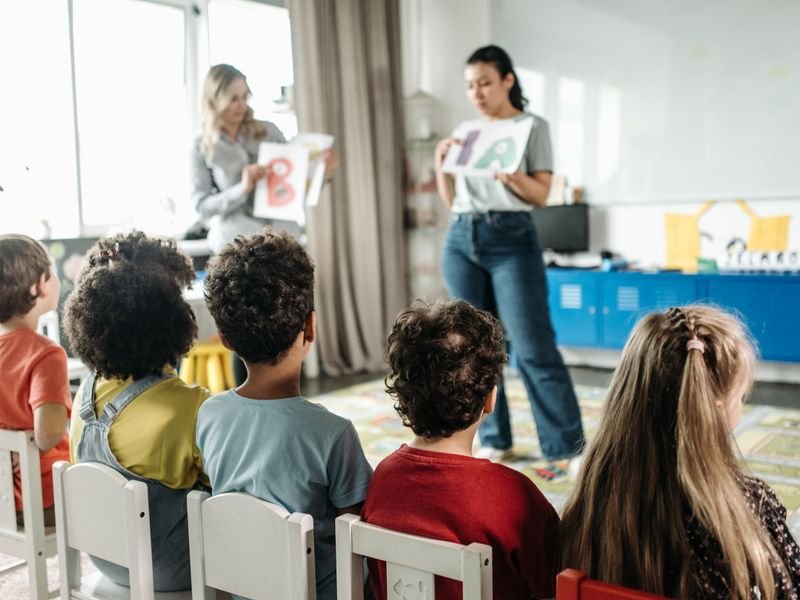
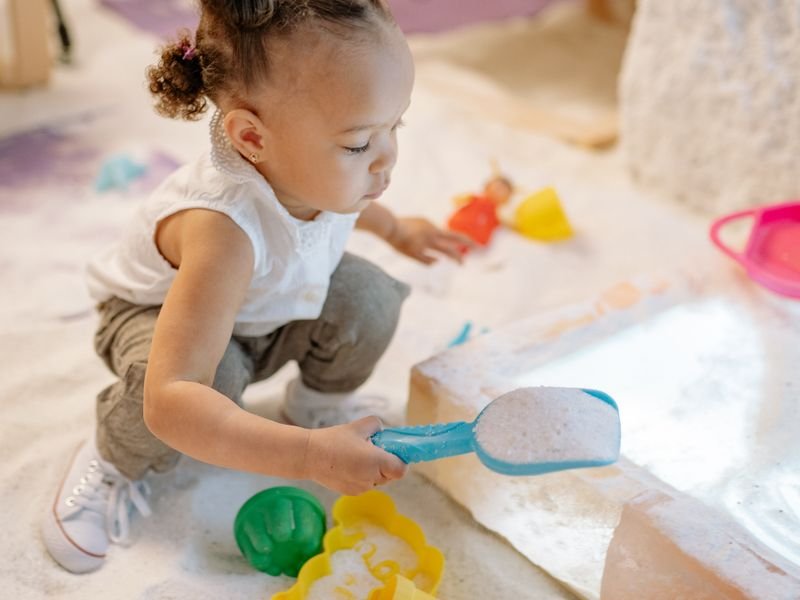
Sensory Integration
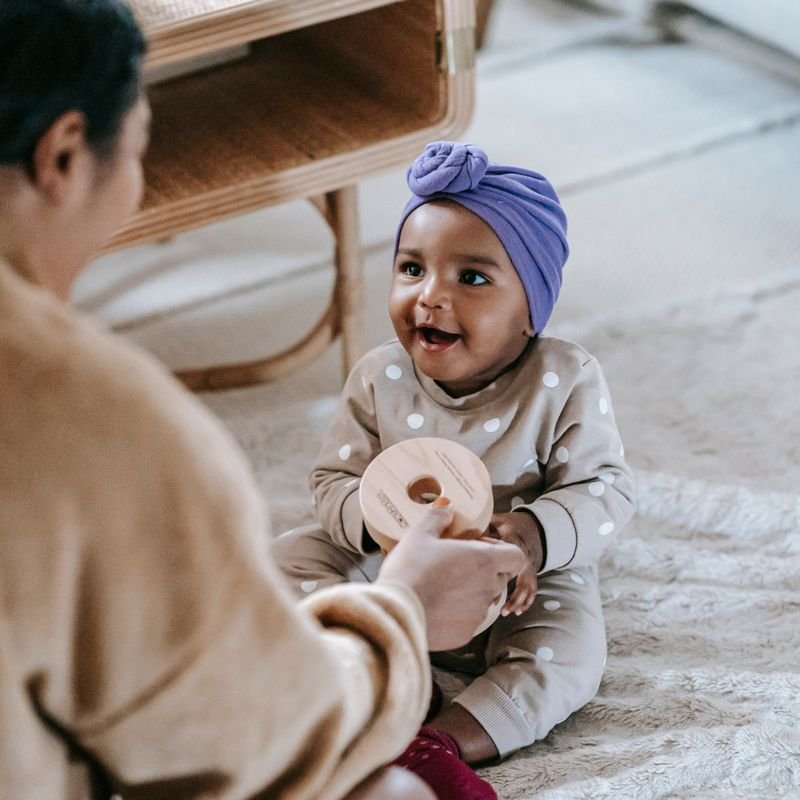
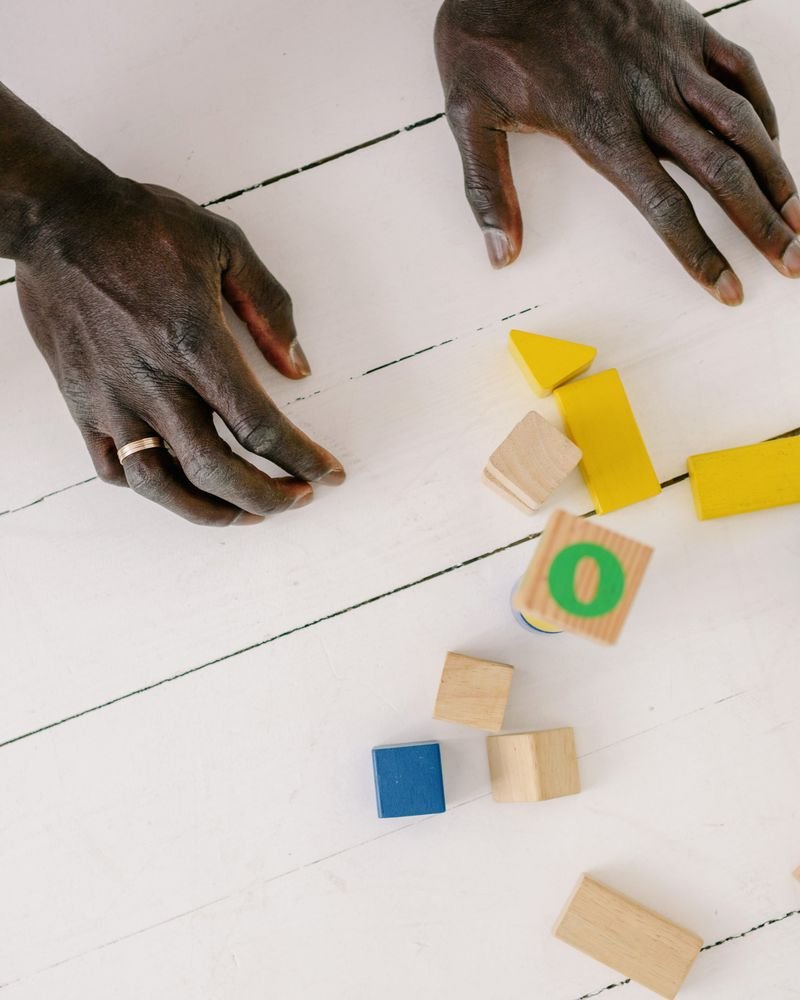
Helping a child's nervous system make sense of sound, touch and movement.
Learn more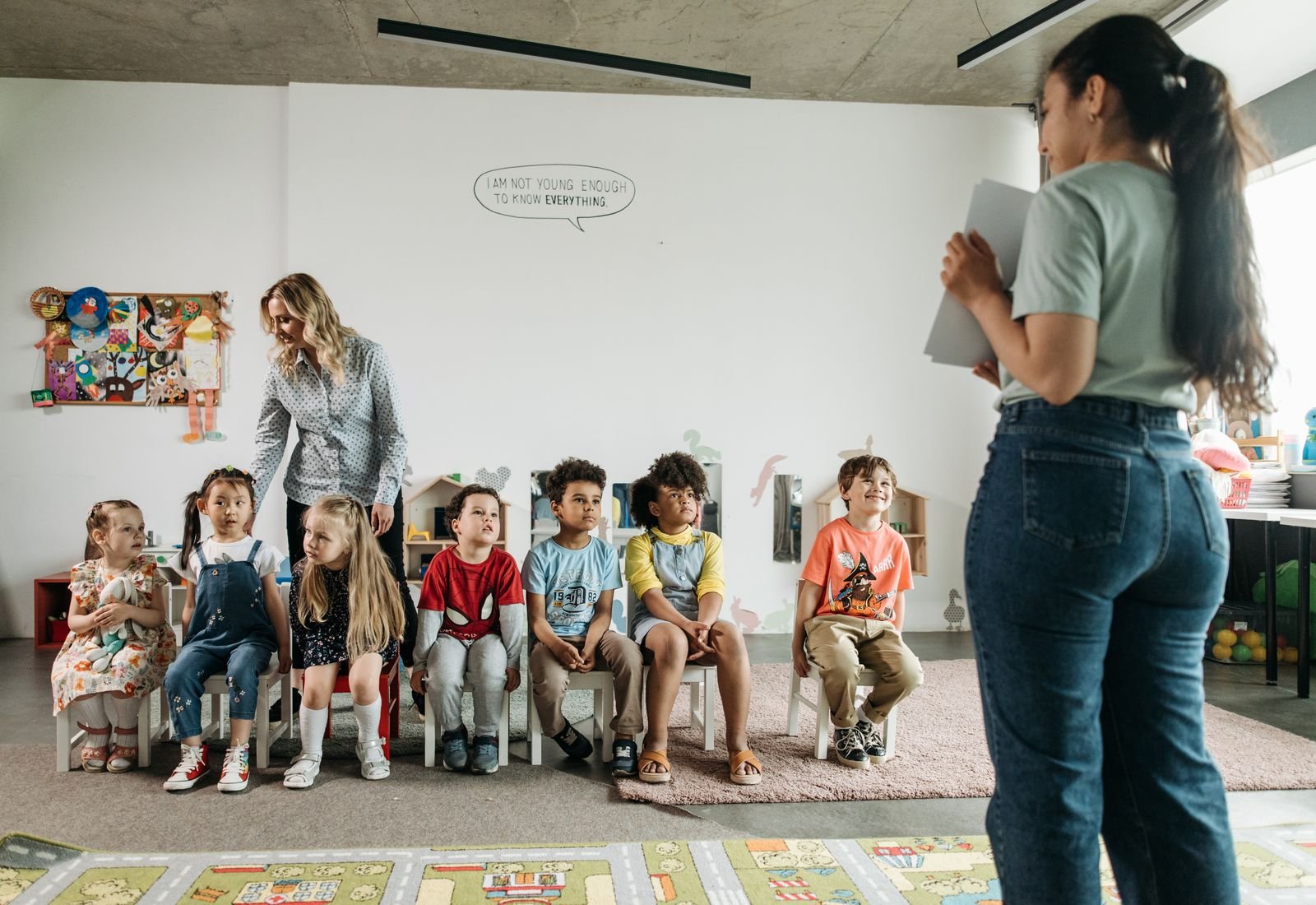
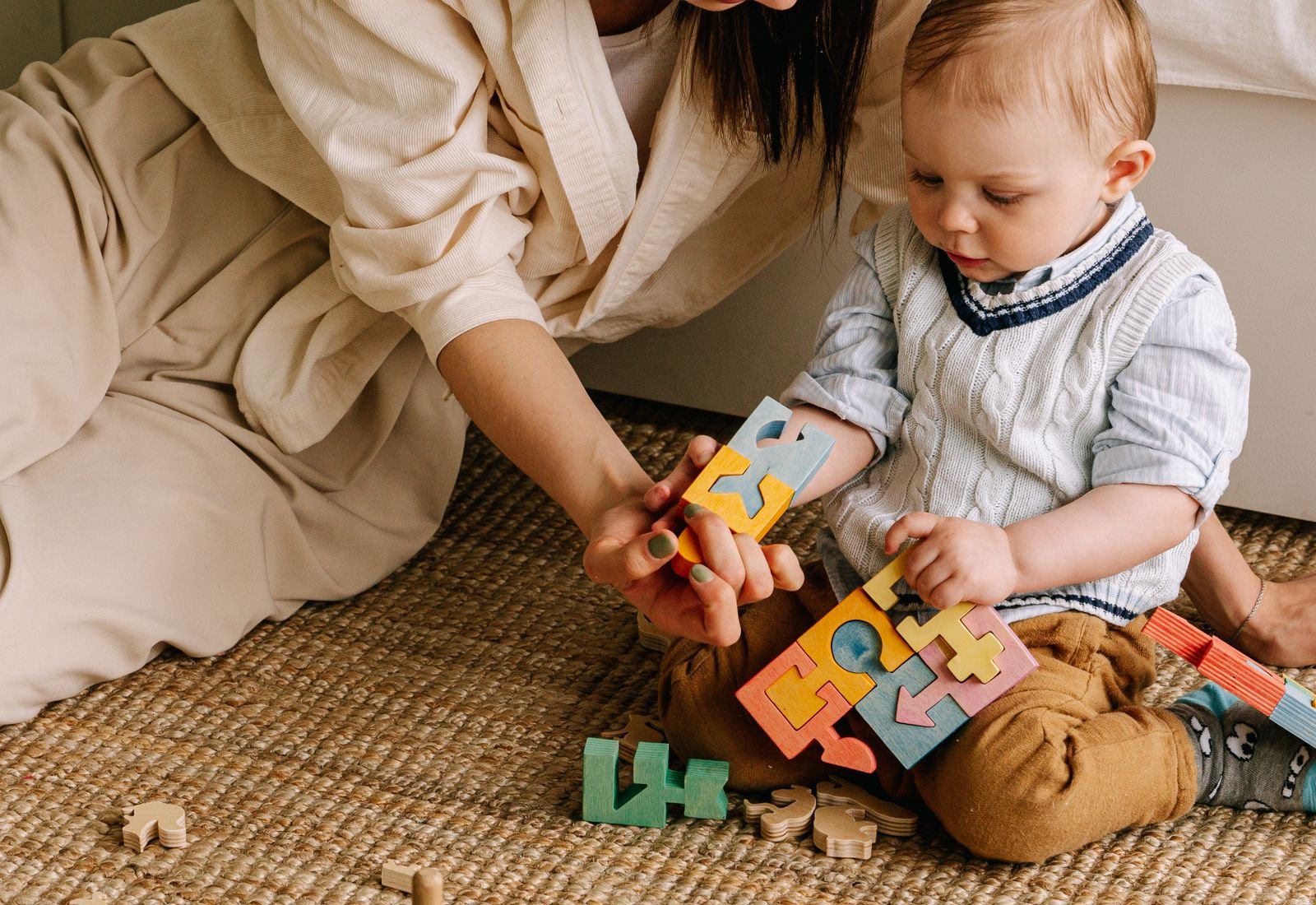
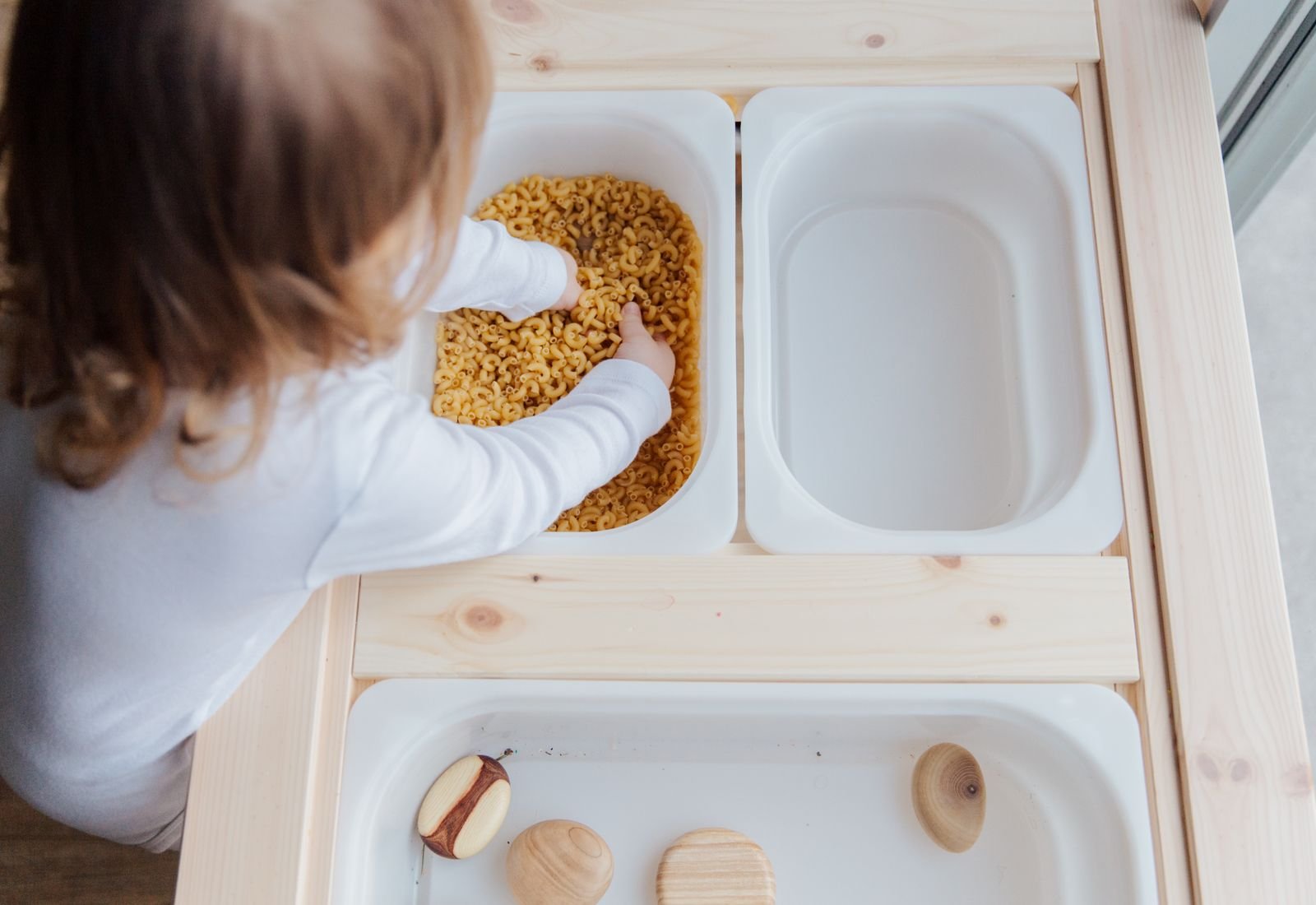
Pediatric Occupational Therapist · Beirut
Occupational Therapist
In numbers
Occupational therapy is slow, specific work. These are the children, families and schools behind it.
Services we provide
Six areas of support, each built around one child — their profile, their family, their day.
Helping a child's nervous system make sense of sound, touch and movement.
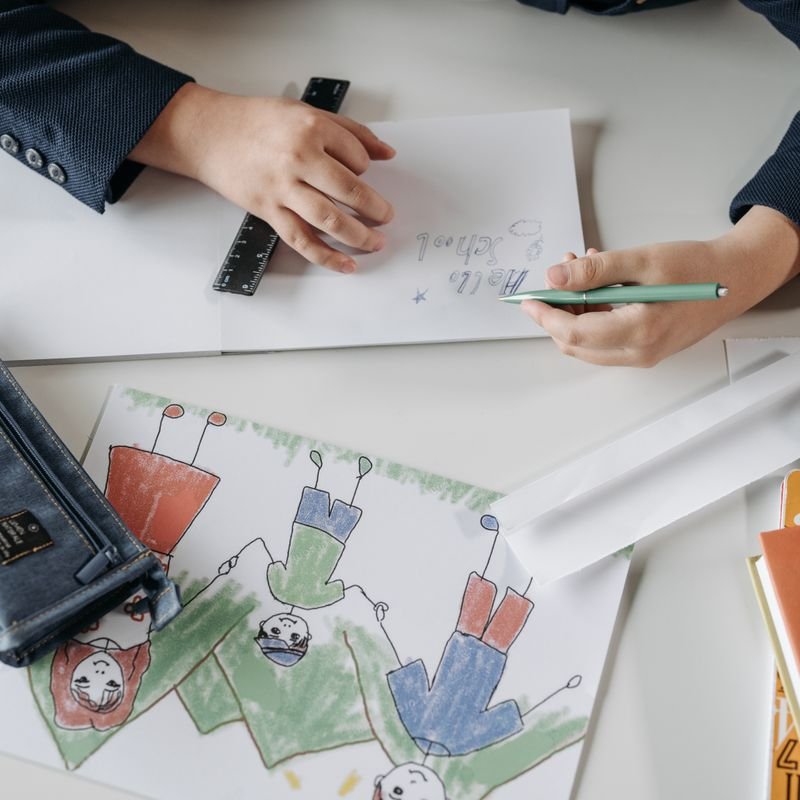
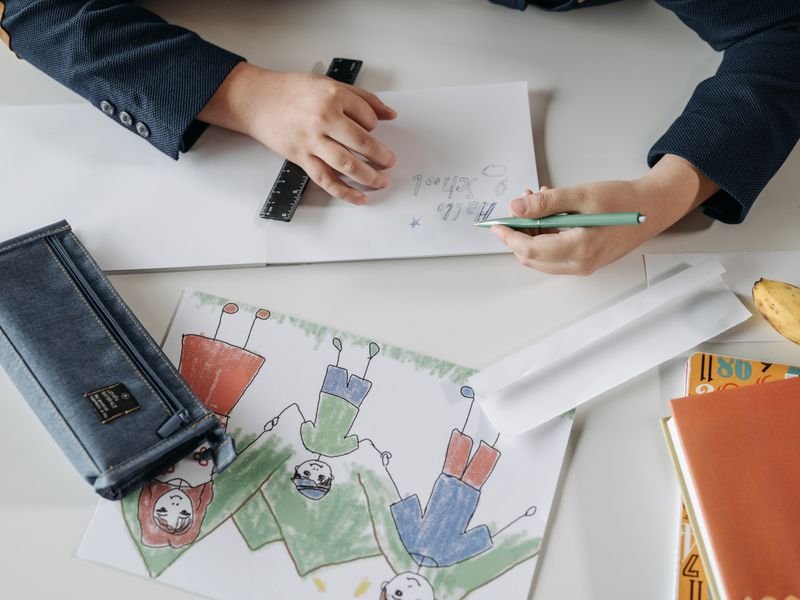
Learn moreGrip, hand strength and letter formation — so writing stops being a battle.
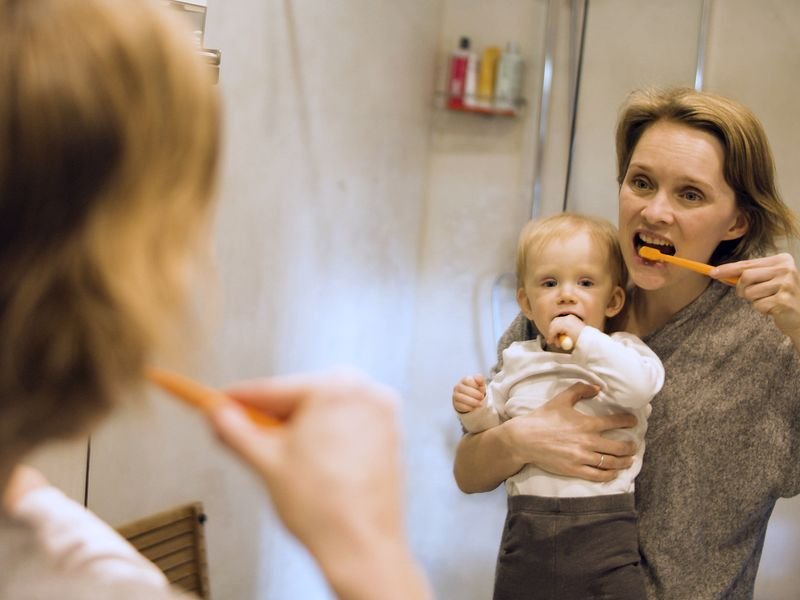
Learn moreDressing, eating, washing, sleeping — independence built one routine at a time.
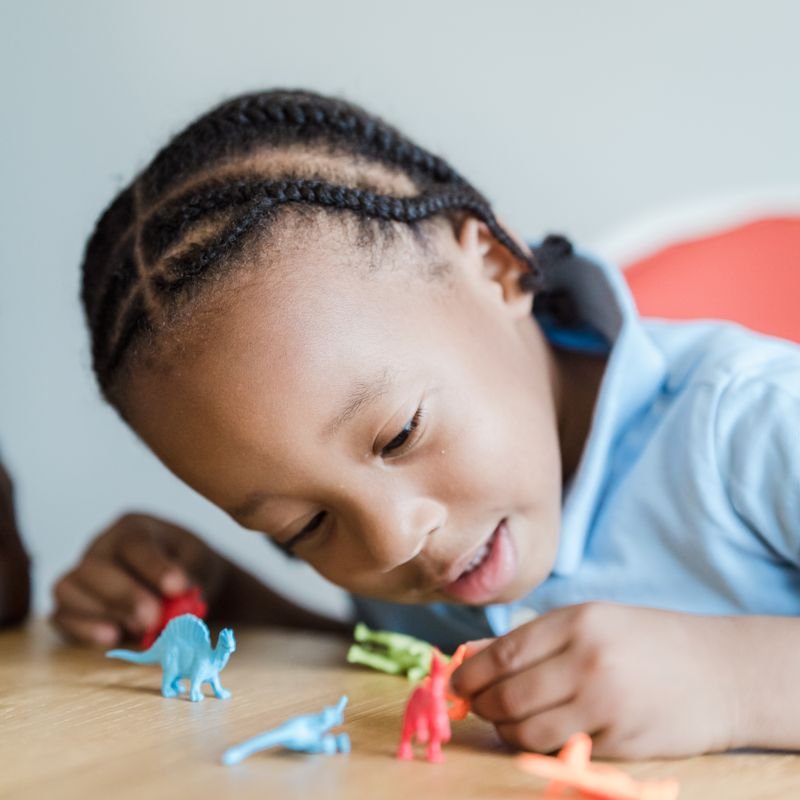
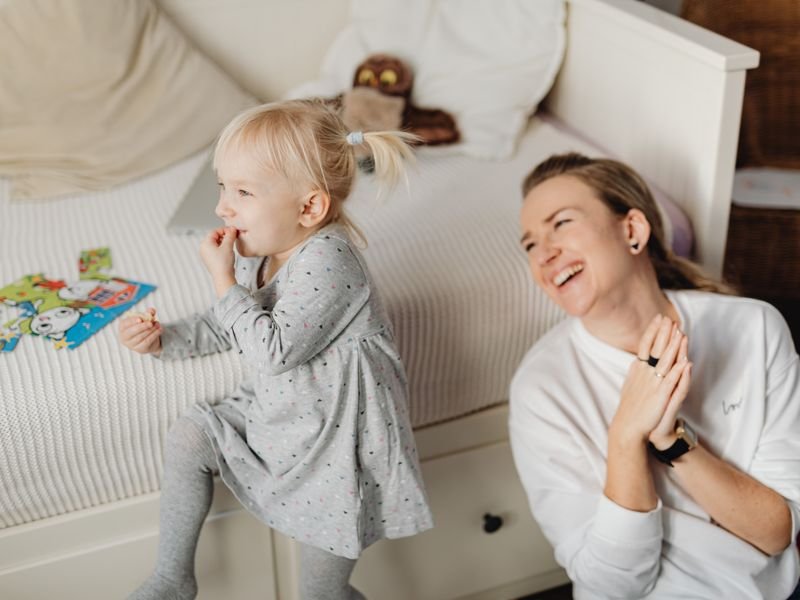
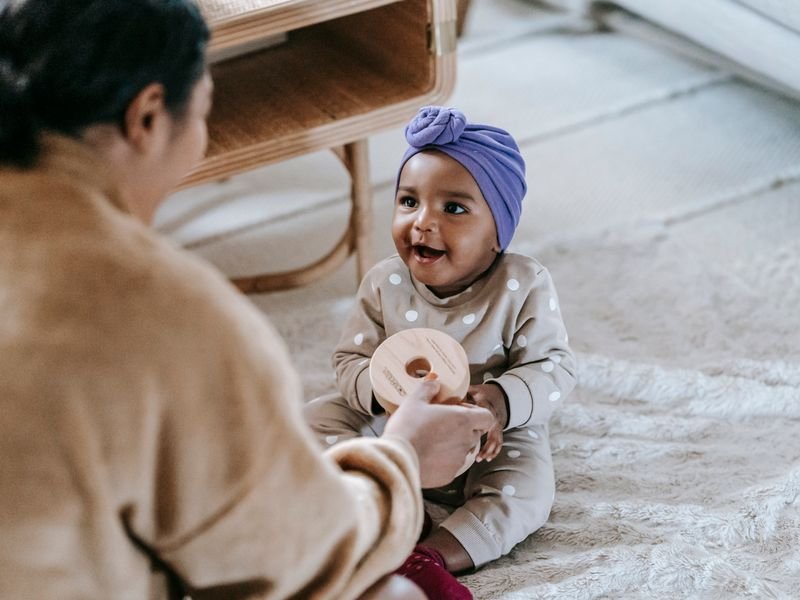
Learn moreStructured, joyful play that rebuilds connection between child and parent.
Learn moreAttention, seating and classroom strategies, agreed with the teachers.
Learn morePractical routines and strategies you can actually run at home.
Learn more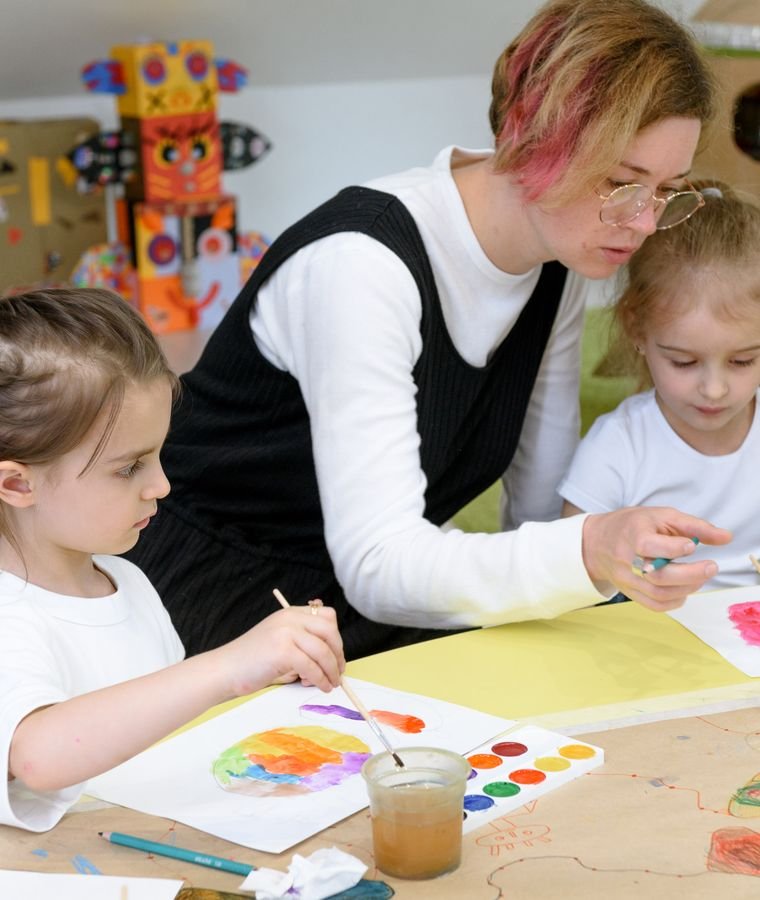
About me
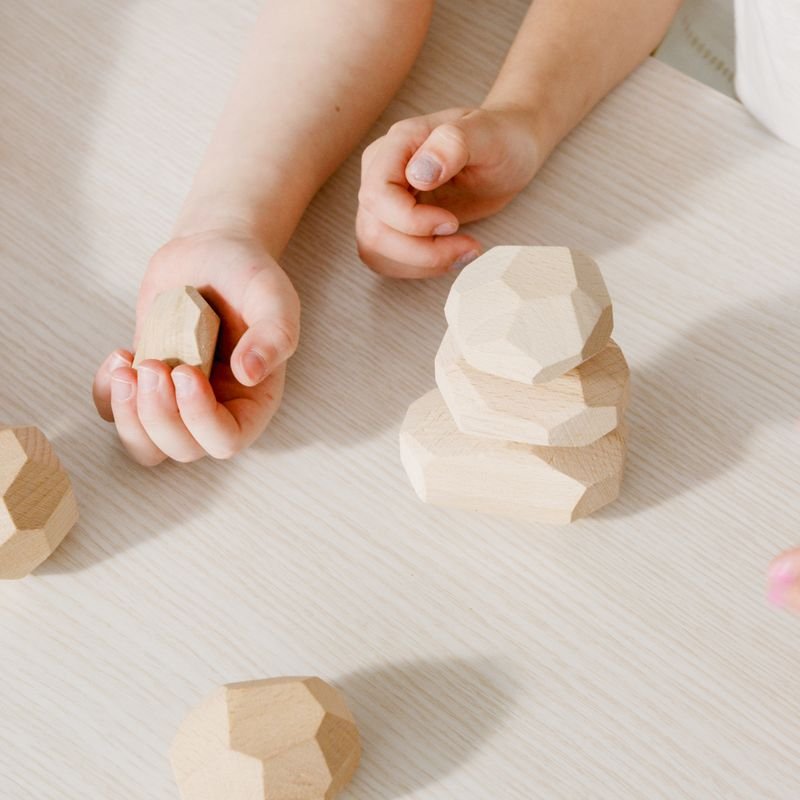
I’m Mariam al Itawi, an occupational therapist working with children and their families. My work is with children whose everyday activities — the ones most of us never think twice about — take extra effort: holding a pencil, tolerating a noisy classroom, getting dressed, sitting still long enough to finish a meal.
How the sensory system, motor skills, attention and environment fit together — and what the people who know them best are seeing.
Play is the real work of childhood, and the most effective way into any skill.
Parents leave each session knowing exactly what to carry into the week.
Discover
Pick the thing you keep noticing, or start with an assessment and we will work out together what is behind it — what you see is usually the surface, not the cause.
Book an assessmentSupport that fits your child
Four things parents describe most often. Pick the one that sounds like your week, or get in touch and we will work it out together.

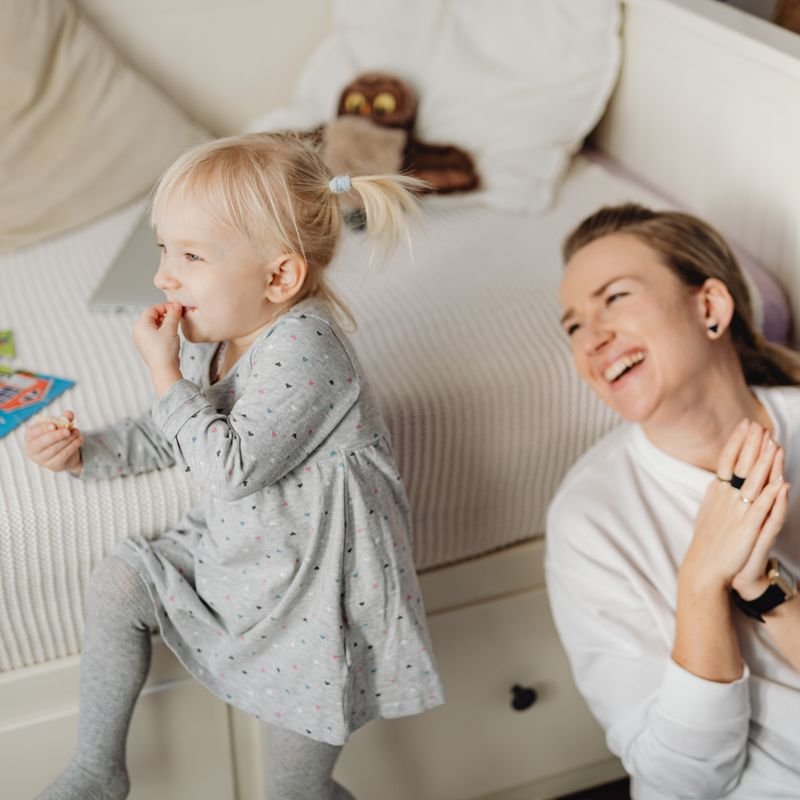
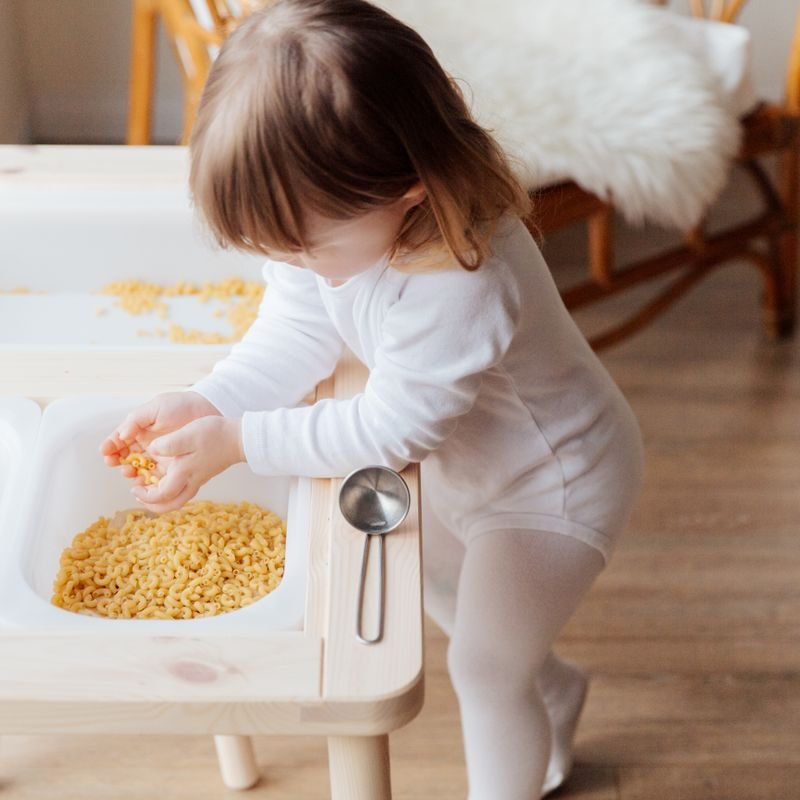
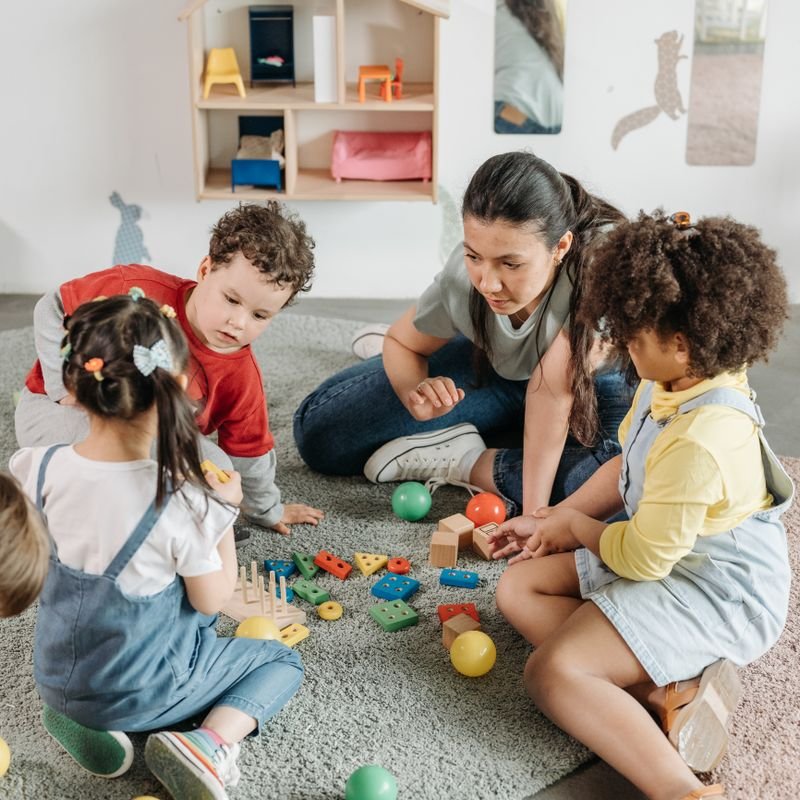
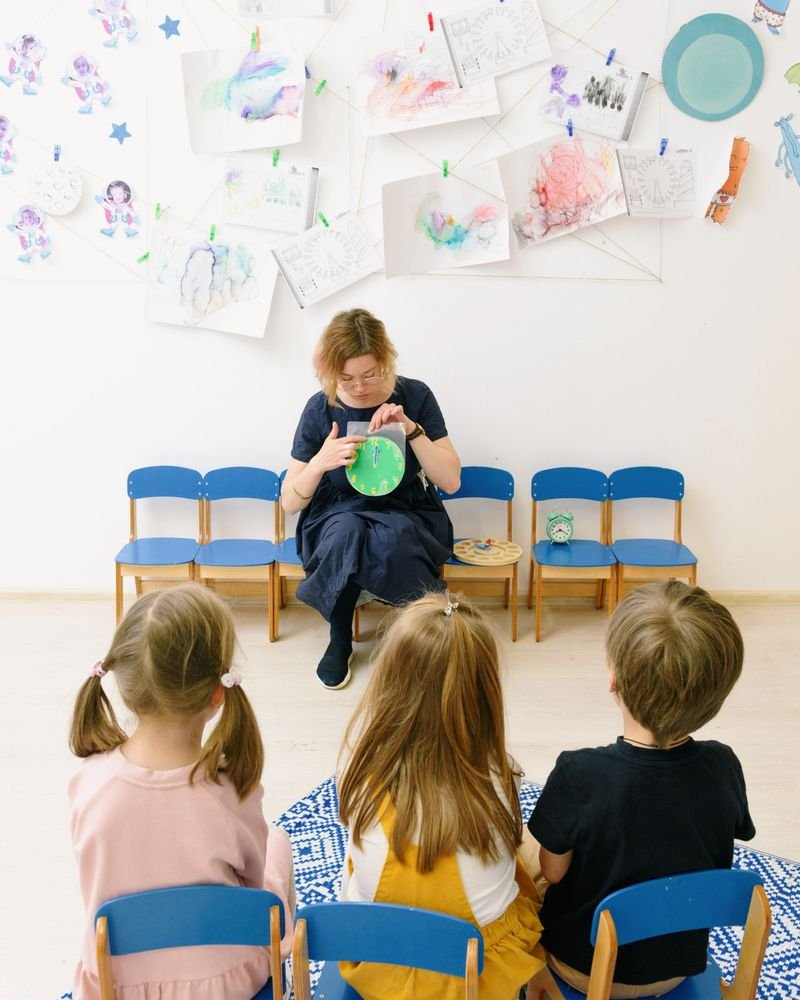
Sitting still in class, keeping up, coping with a noisy room.
View serviceOur benefits
Not a programme a child is fitted into — a plan built from how they actually move, feel and cope.
View moreStandardised tools and structured observation before any plan is written.
Play is the method, not the reward — it is how children learn fastest.
Every session ends with something practical for the week ahead.
Classroom observation and a one-page plan the teacher will actually use.
You are in the room and in every plan, never waiting outside.
Sessions run in whichever language your child is most comfortable in.
When to ask
You do not need all of these — one that keeps repeating is reason enough to start a conversation.
Covers their ears at everyday noise
Dreads writing, or tires after two lines
Still needs help dressing or eating
Cannot sit still in class
Melts down at transitions
Eats only a handful of foods
Avoids messy play, sand or glue
Clumsy, trips or bumps into things
The process
Four steps, every family. What happens inside them is built around your child.
Start with a free consultation
A relaxed conversation about what you are seeing and what a typical day looks like. No assessment, no commitment, no charge.
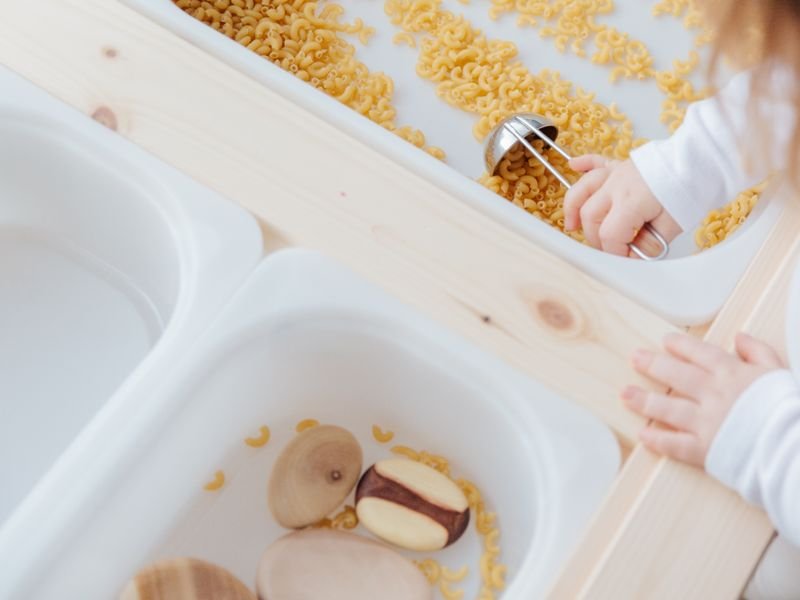
Structured observation and standardised tools map sensory processing, motor skills, attention and daily function against age norms.

Goals written in plain language and agreed with you, plus the home strategies that keep them moving between sessions.
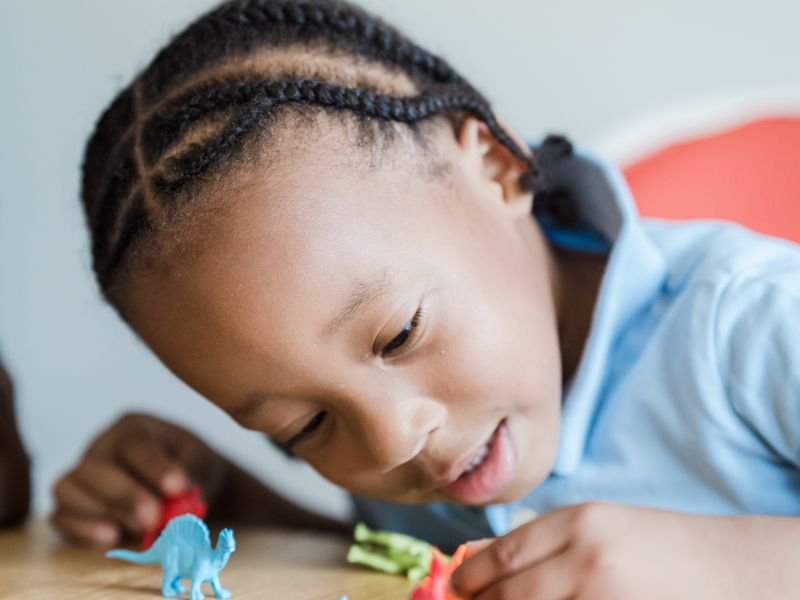
Regular play-based sessions, progress tracked against the goals, and the plan adjusted as your child grows into it.
Gallery
Sessions, school visits, workshops and collaborations — shared with family permission.
Families
Shared with permission. Names withheld to protect each family's privacy.
She explained what was happening with our son in a way that finally made sense. Within two months he was dressing himself without a fight.
What I valued most was being treated as part of the team. Every session ended with something practical I could actually do at home.
Her handwriting went from unreadable to something her teacher comments on. The bigger change is that she is no longer afraid of her notebook.
She explained what was happening with our son in a way that finally made sense. Within two months he was dressing himself without a fight.
What I valued most was being treated as part of the team. Every session ended with something practical I could actually do at home.
Her handwriting went from unreadable to something her teacher comments on. The bigger change is that she is no longer afraid of her notebook.
The school visit changed everything. His teacher finally understood why he could not sit still, and the seating change alone made a difference.
We had tried everything for mealtimes. Breaking it into small stages was the first thing that actually held.
Mariam was honest that we also needed speech therapy. That honesty is exactly why we trusted the rest of her plan.
The school visit changed everything. His teacher finally understood why he could not sit still, and the seating change alone made a difference.
We had tried everything for mealtimes. Breaking it into small stages was the first thing that actually held.
Mariam was honest that we also needed speech therapy. That honesty is exactly why we trusted the rest of her plan.
FAQ
There is no minimum. Early support is usually easier and faster, but occupational therapy helps at any age. If you are noticing something, that is reason enough to ask.
No. Many families come simply because something in daily life is not working. If a medical referral is needed, I will tell you and help you get there.
Sessions typically run 45–60 minutes, commonly once or twice a week at the start, then spaced out as skills carry over into daily life.
Often yes — especially in Theraplay and with younger children, where your presence is part of the therapy. Either way you get a full debrief.
Arabic or English, whichever your child is most comfortable in.
Tell me your child’s age and what you’re noticing. I answer personally, usually the same day.