Auditory processing
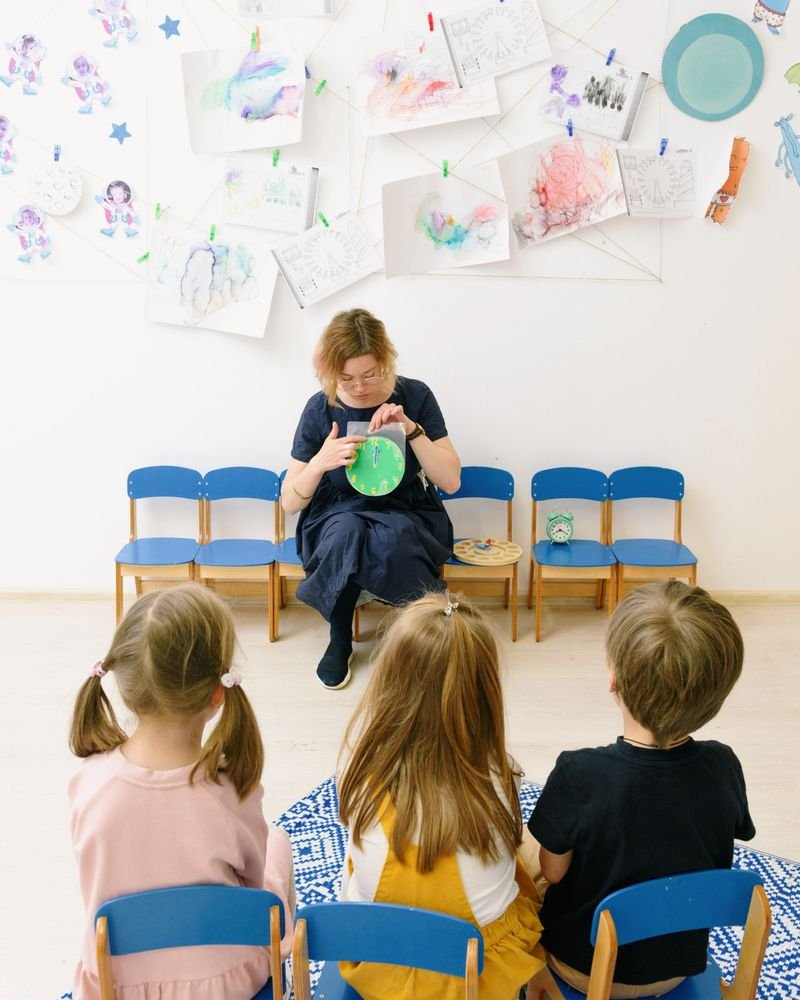
Building tolerance to everyday noise, and finding the sounds that help a child settle.
Occupational therapy
Helping a child’s nervous system handle sound, touch and movement, so daily life stops being a battle.
What it is
Every child takes in the world through eight sensory systems — not five. Alongside sight, hearing, touch, taste and smell there are three we rarely name: balance (vestibular), body position (proprioception) and internal signals like hunger or needing the toilet (interoception).
When those systems send confusing or poorly organised signals, a child's behaviour starts to make perfect sense: the one who melts down in the supermarket, the one who crashes into furniture all day, the one who gags at the texture of rice. We are not treating behaviour. We are treating the sensory system underneath it.

When it helps
You do not need all of these. One that keeps repeating is reason enough to ask.
Covers ears at everyday soundsHand dryers, blenders, school bells or a crowded room.
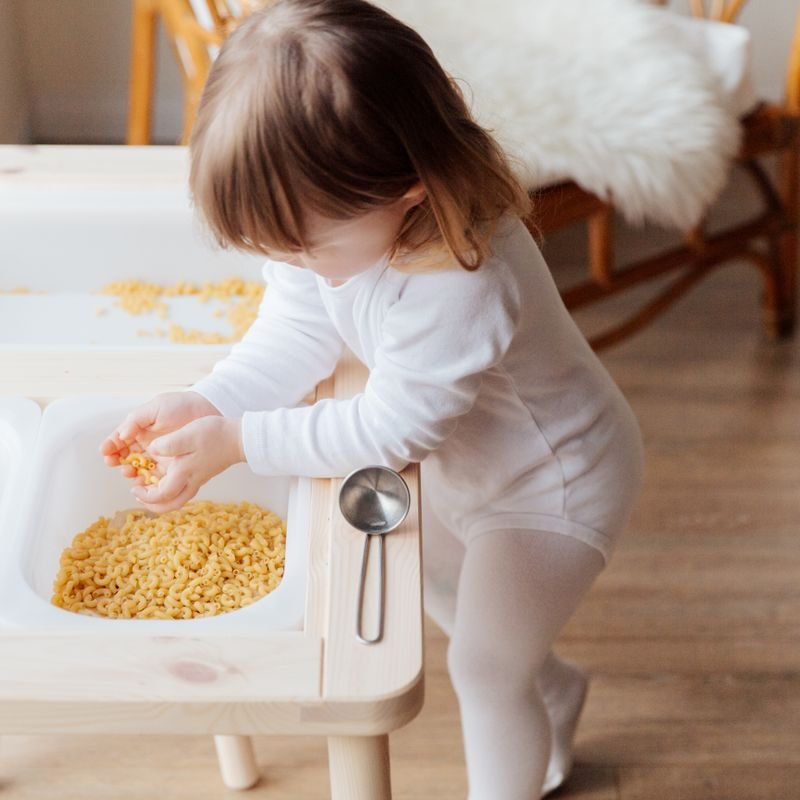
Avoids — or craves — messy playRefuses sand, glue and paint, or cannot get enough of them.
Constantly moving or crashingSpinning, jumping, bumping into people and walls.
Very limited food rangeEats only certain textures or colours; gags easily.
Struggles with clothingSeams, labels, socks or tight sleeves cause real distress.
Meltdowns in busy placesMalls, parties and classrooms become overwhelming quickly.
What we work on
Building tolerance to everyday noise, and finding the sounds that help a child settle.
Graded exposure to textures, from tolerable to genuinely enjoyable.
Swinging, spinning and balance work that organises rather than overstimulates.
Heavy work — pushing, pulling, carrying — that gives the body a clear sense of itself.
Reducing visual clutter and training the eyes to track, scan and focus.
Teaching a child to notice their own state — and what to do about it.
How it works
The same structure for every family — the content inside is built around your child.
Step 1
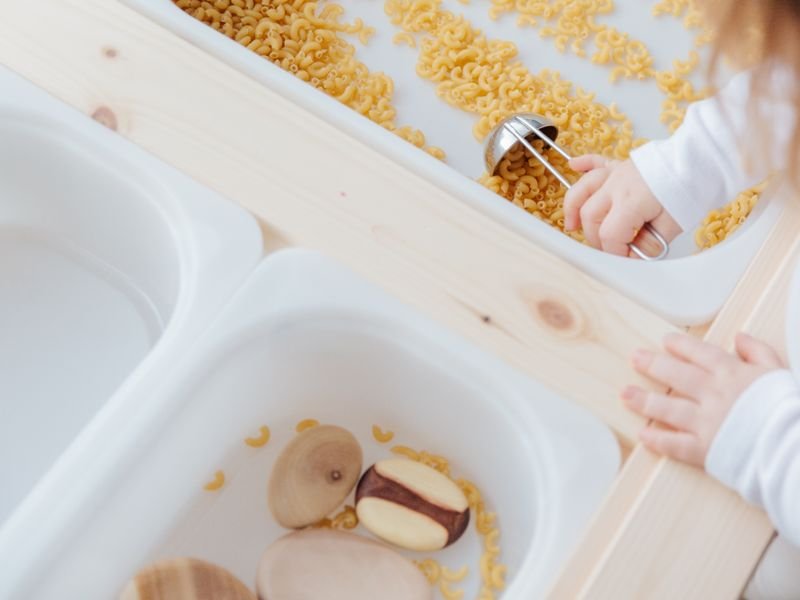
We start with a standardised sensory questionnaire completed by you, plus my own structured observation of your child at play. Together these show which systems are over-responsive, under-responsive, or seeking input.
Step 2
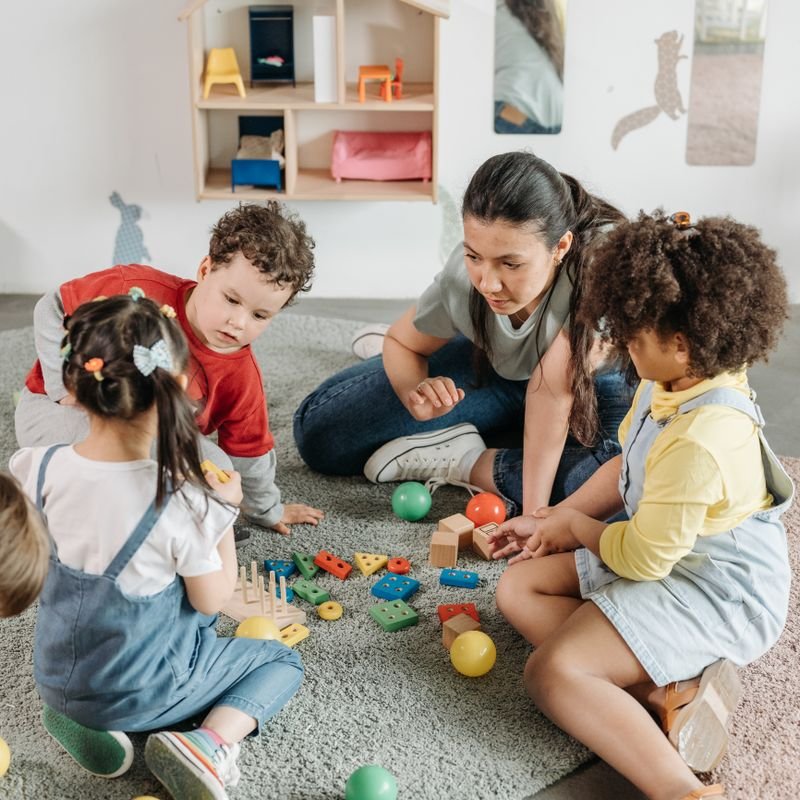
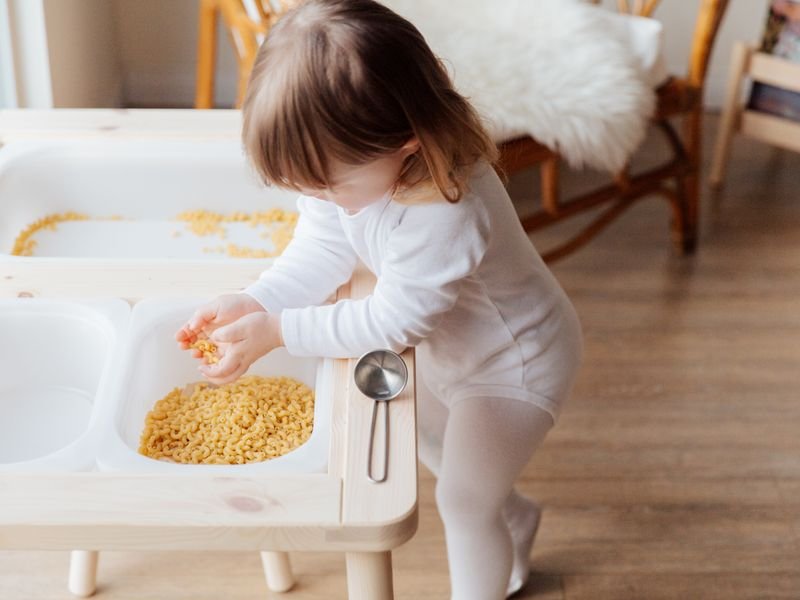
Therapy looks like play, because it is. Suspended equipment, crash pads, textures and obstacle courses give the nervous system exactly the input it is missing — always at the level your child can organise, never past it.
Step 3
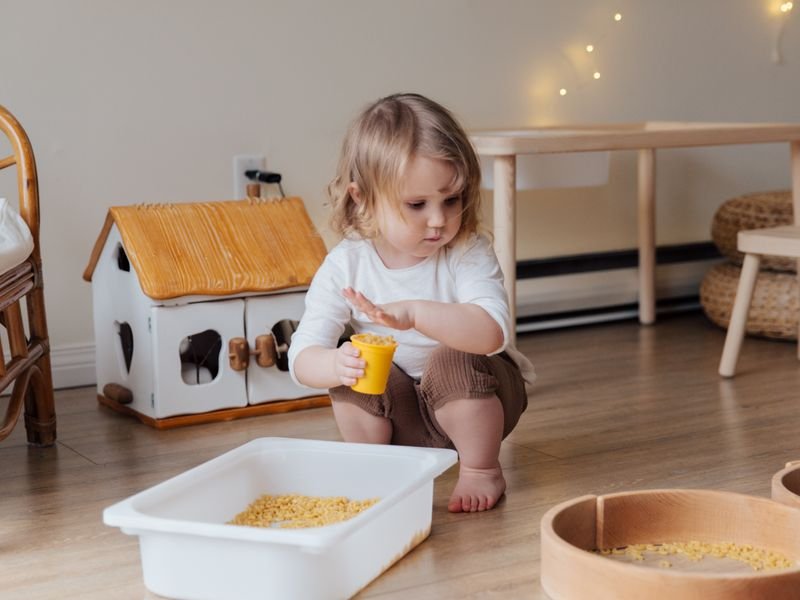
The clinic is one hour a week; home is everything else. You leave with a short, specific routine of activities timed around the hardest parts of your child's day — before school, after school, before bed.
Tools & activities
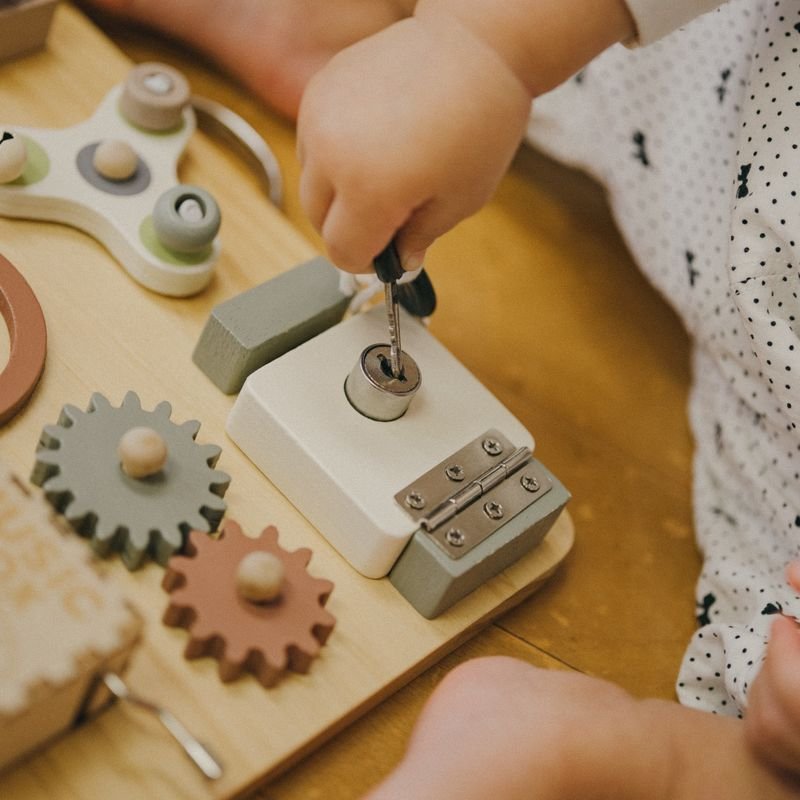
Nothing here is magic — it is ordinary equipment used with a clear therapeutic reason. Most of what goes home is built from things you already own.
Progress
Goals are written in plain language, so you always know what we are working toward and whether we are getting there.
Calmer transitions between activities
A wider, less stressful range of foods
Dressing without a daily battle
Longer, calmer focus at a table
FAQ
No. Many autistic children have sensory differences, but plenty of children with sensory difficulties are not autistic — and the therapy helps either way.
Families often notice small shifts in sleep or mealtimes within four to six weeks. Deeper changes in regulation usually take a few months of consistent work.
Sometimes, partly. But children usually cope by avoiding — shrinking the range of foods, places and activities they accept. Therapy widens that range instead of narrowing it.
No. The home programme is built from cushions, laundry baskets, blankets and the stairs you already have. I only suggest buying something if it genuinely earns its place.
Related
Most children benefit from more than one. We agree the mix in the free consultation.
Structured, joyful play that rebuilds connection between child and parent.
Learn moreDressing, eating, washing, sleeping — independence built one routine at a time.
Learn moreAttention, seating and classroom strategies, agreed with the teachers.
Learn more
Start with a free consultation. We will talk it through and I will tell you honestly whether this is the right place to begin.