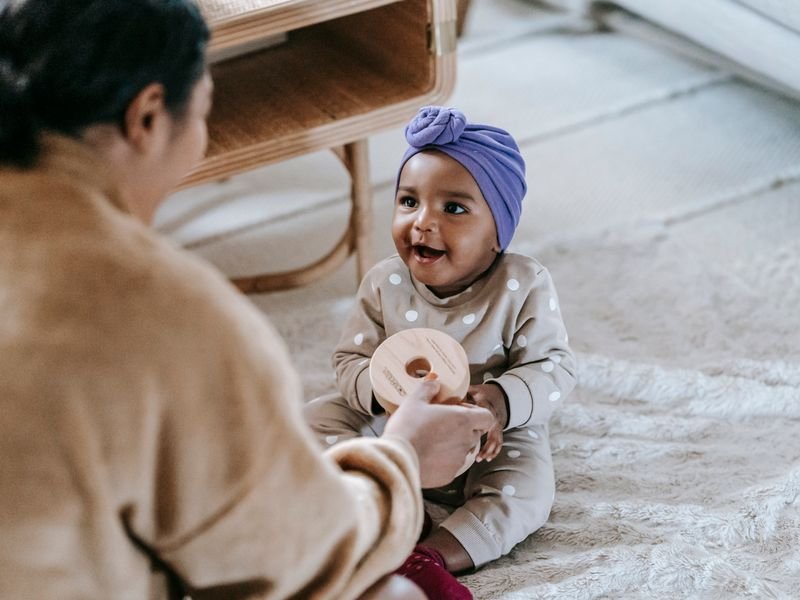
Hand strength
Putty, clips, tongs and climbing — strength before precision, always.
Occupational therapy
Building the shoulder, hand and visual skills underneath handwriting — so the writing follows.
What it is
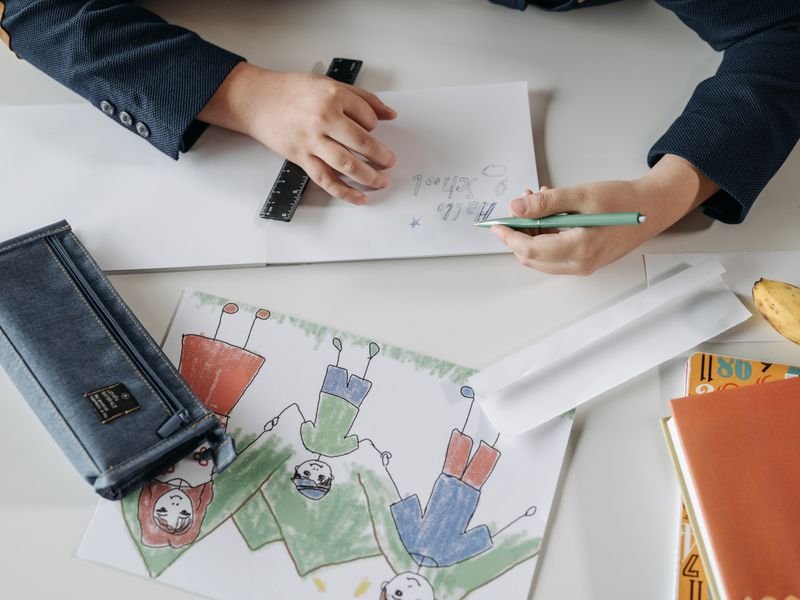
Handwriting is one of the most demanding things we ask of a young child. It needs shoulder stability, a controlled grip, the strength to keep going, the visual skill to copy a shape, and the memory to recall how each letter is formed — all at the same time, at speed.
So we almost never start at the pencil. We start at the shoulder and the core, move to the hand, and only then to letters. Children who are pushed straight to worksheets often get neater for a week and then plateau — because the foundation was never built.
When it helps
You do not need all of these. One that keeps repeating is reason enough to ask.
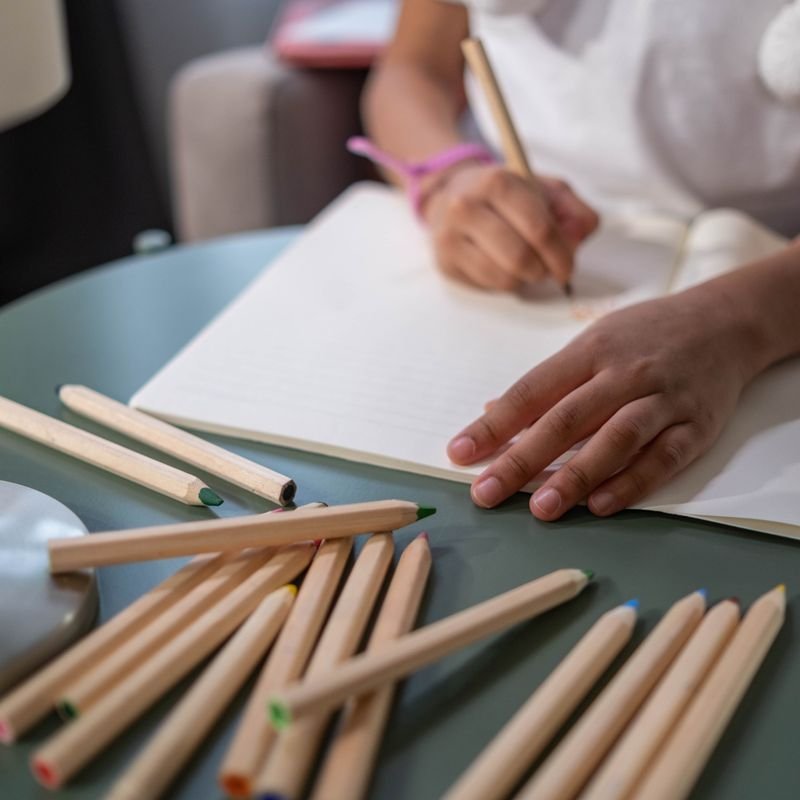
An awkward or tight pencil gripWhole-fist grip, thumb wrapped over, or white knuckles.
Tires very quickly when writingComplains of a sore hand after only a few lines.
Letters sit everywhere but the lineInconsistent size, spacing and alignment.
Avoids scissors, buttons, beadsAny task needing two hands to cooperate precisely.
Presses far too hard or too lightlyTears the paper, or writing is barely visible.
Still switching hands after age sixNo settled hand preference for fine tasks.
What we work on
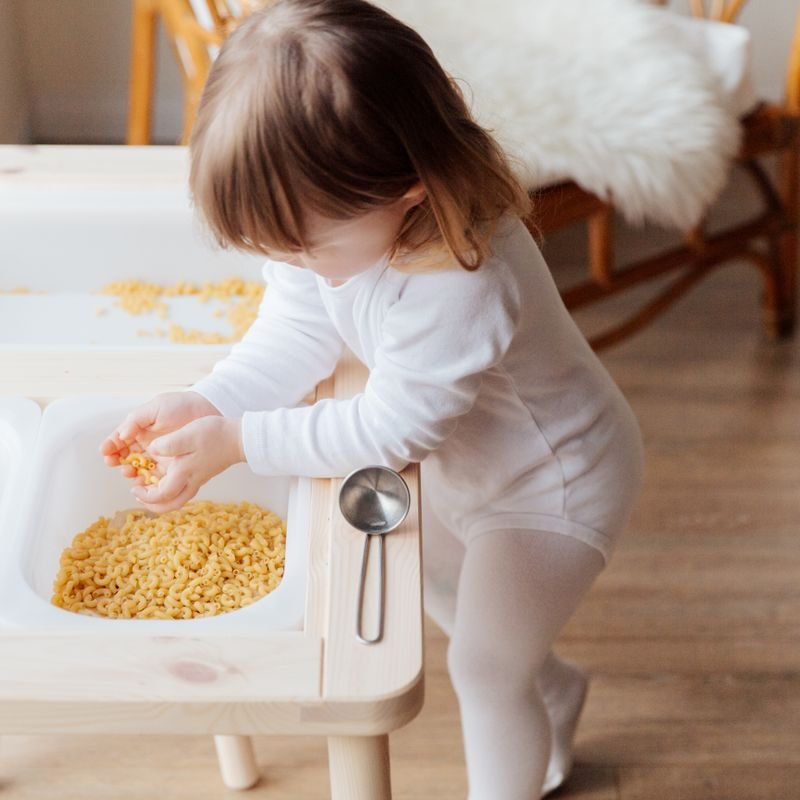
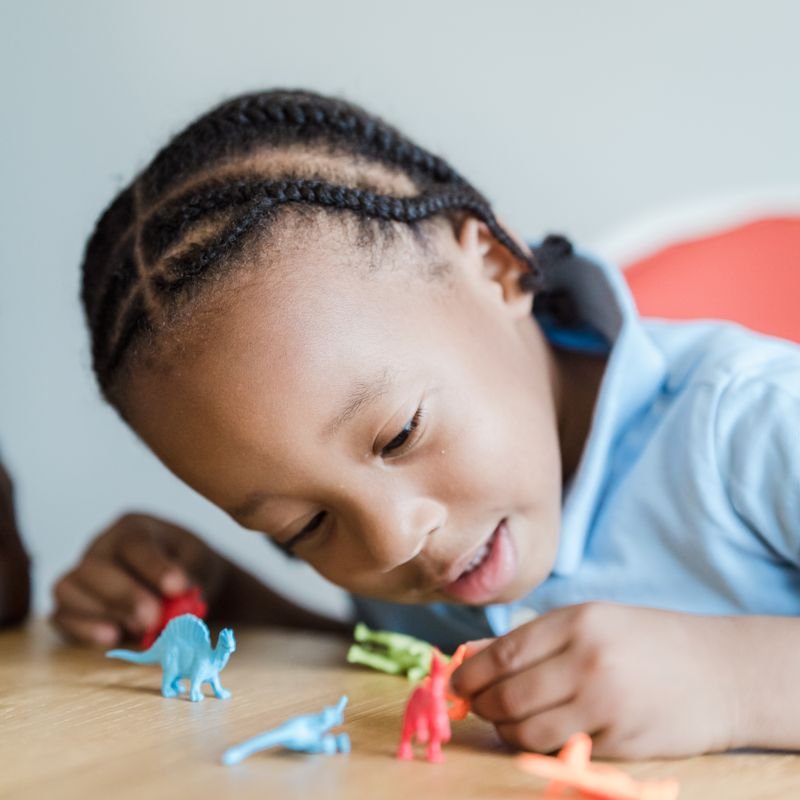
Putty, clips, tongs and climbing — strength before precision, always.
Finding a grip that is efficient and sustainable for your child's hand.
Teaching two hands to work as a team — one stabilises, one acts.
Copying shapes, staying in lines, tracking across a page.
Correct, consistent stroke order in Arabic and English.
Building from two tidy lines to a full page without fatigue.
How it works
The same structure for every family — the content inside is built around your child.
Step 1
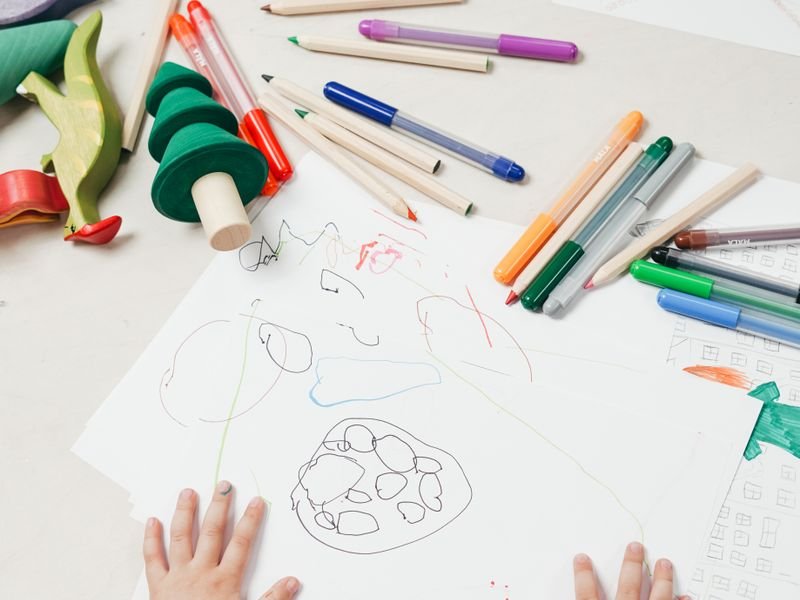
I watch your child write, cut and build, and assess grip, strength, posture and visual motor skill against age norms. We look at their actual schoolbooks, not a clinic worksheet.

Step 2
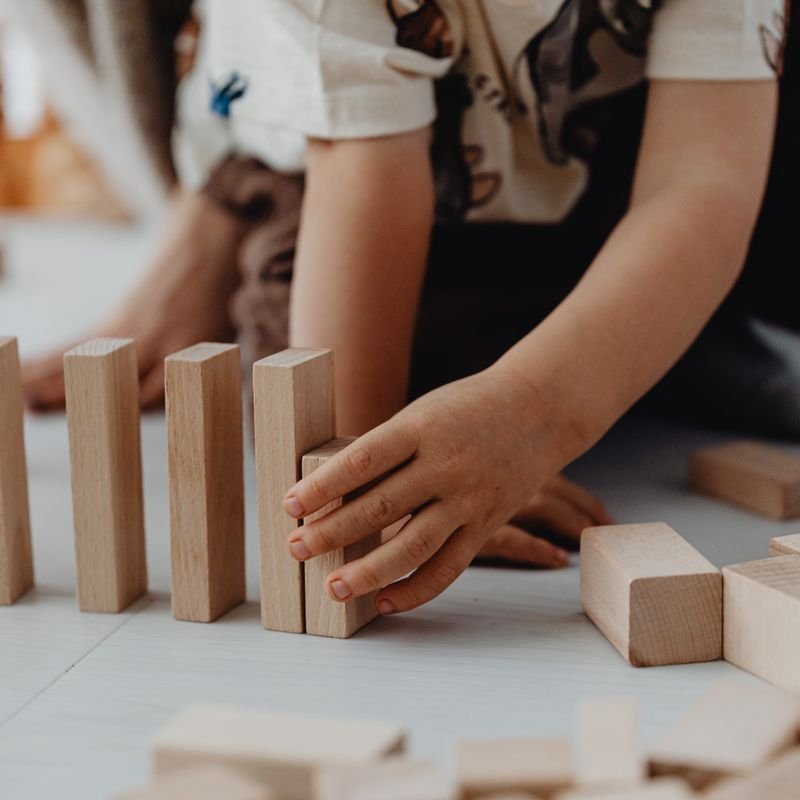
Weeks of play that does not look like handwriting at all: climbing, wheelbarrow walks, putty, pegs and tongs. This is where the real gains are made, and it is the step most often skipped.

Step 3
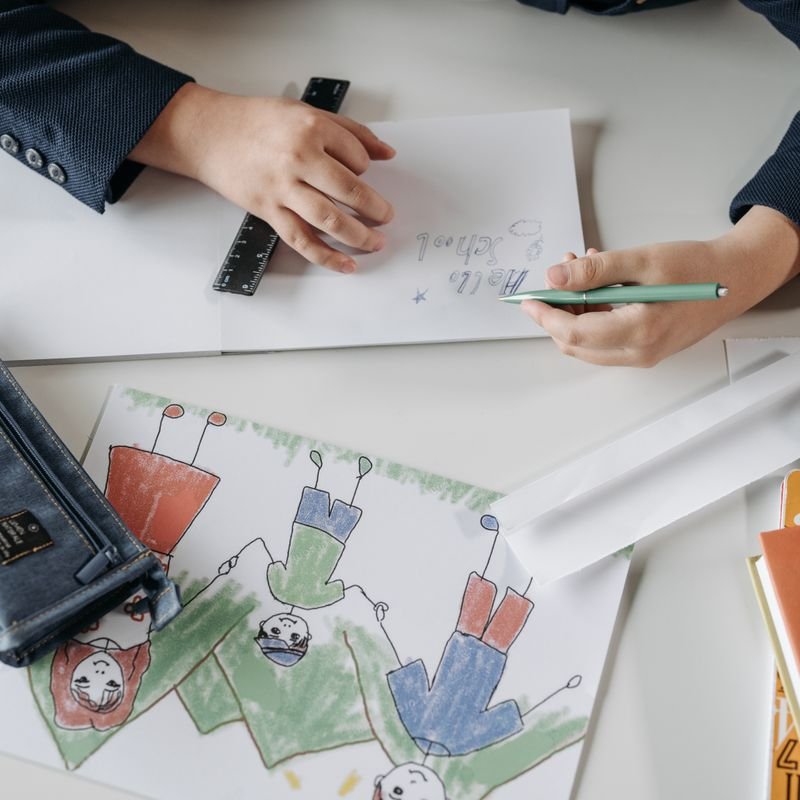
Only now do we return to letters — on vertical surfaces first, then paper, with the grip and spacing tools that suit your child. We finish by rehearsing it in real homework conditions.
Tools & activities
Nothing here is magic — it is ordinary equipment used with a clear therapeutic reason. Most of what goes home is built from things you already own.
Progress
Goals are written in plain language, so you always know what we are working toward and whether we are getting there.
Legible writing their teacher can read
Finishing written work in class time
Homework without tears
Independent with buttons, laces, scissors
FAQ
Yes, usefully. Left-handed children need a different paper angle, grip position and seating setup — especially when writing Arabic and English in the same day. We set that up properly.
More practice on a weak foundation usually builds frustration, not skill. Strength and coordination work first makes the practice actually pay off.
No. Older children often progress faster because they understand the goal and want it. We may also add typing as a parallel route so schoolwork is not held hostage.
Yes — both scripts, including the right-to-left direction, letter joining and the different demands each places on the hand.
Related
Most children benefit from more than one. We agree the mix in the free consultation.
Helping a child's nervous system make sense of sound, touch and movement.
Learn moreAttention, seating and classroom strategies, agreed with the teachers.
Learn morePractical routines and strategies you can actually run at home.
Learn more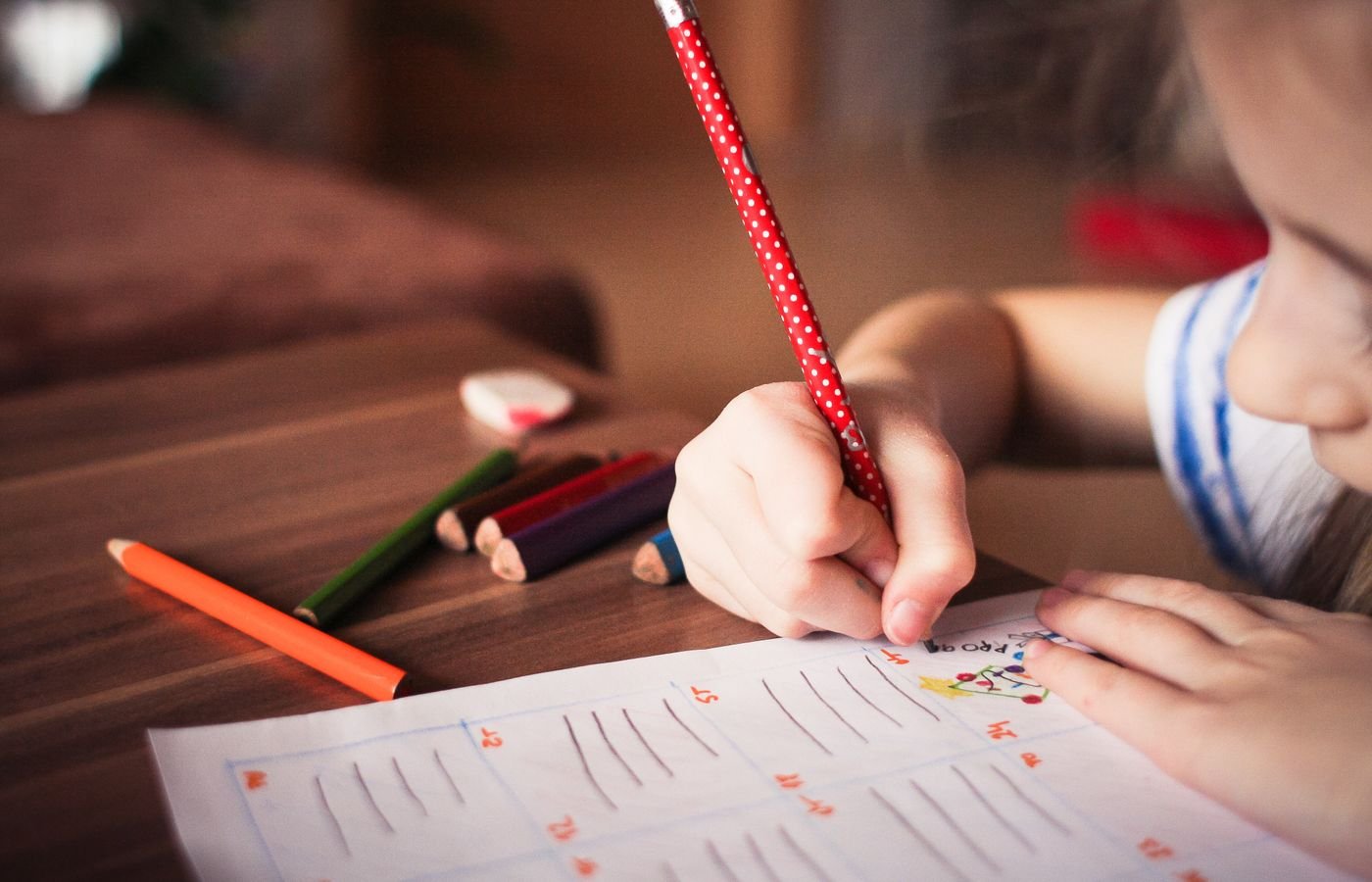
Start with a free consultation. We will talk it through and I will tell you honestly whether this is the right place to begin.