Classroom observation
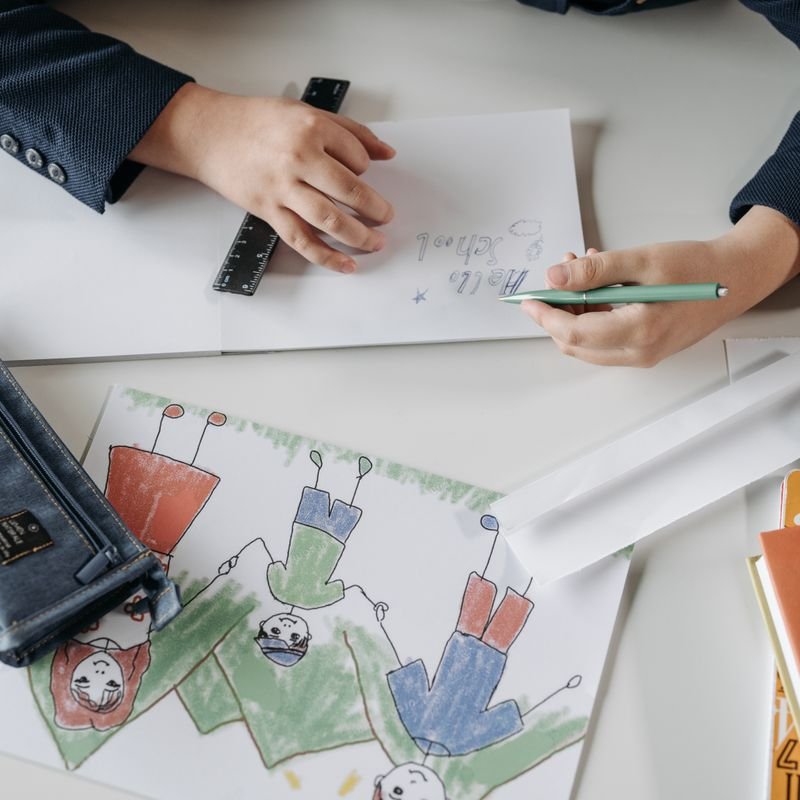
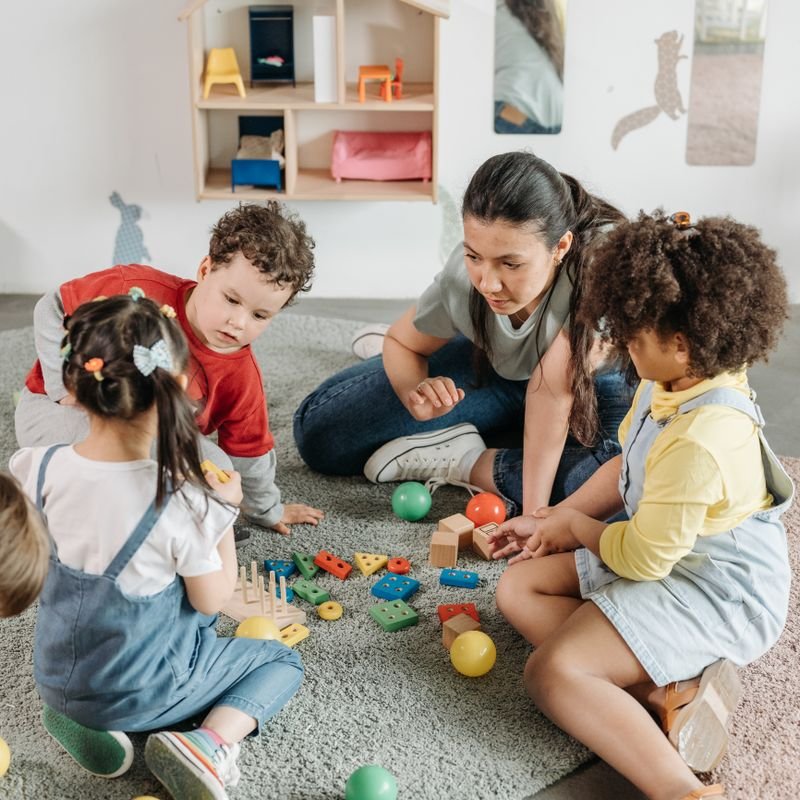
Seeing the real day — lessons, break, transitions and lunch.
Occupational therapy
Classroom observation and a practical plan the teacher will actually use.
What it is
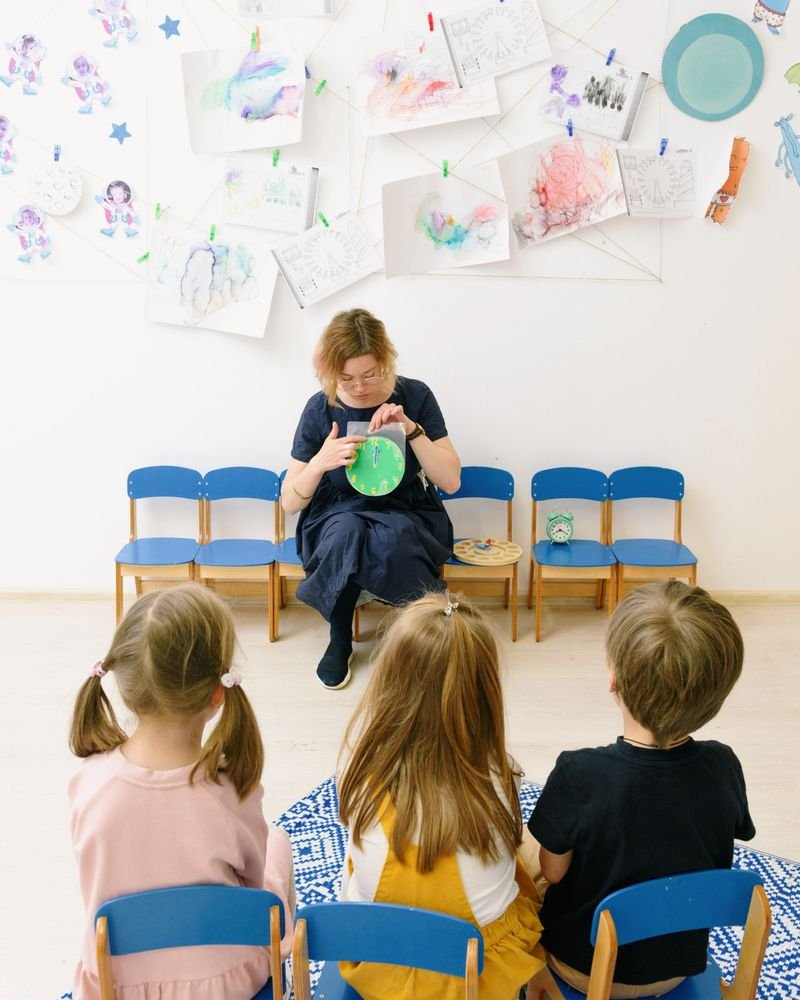
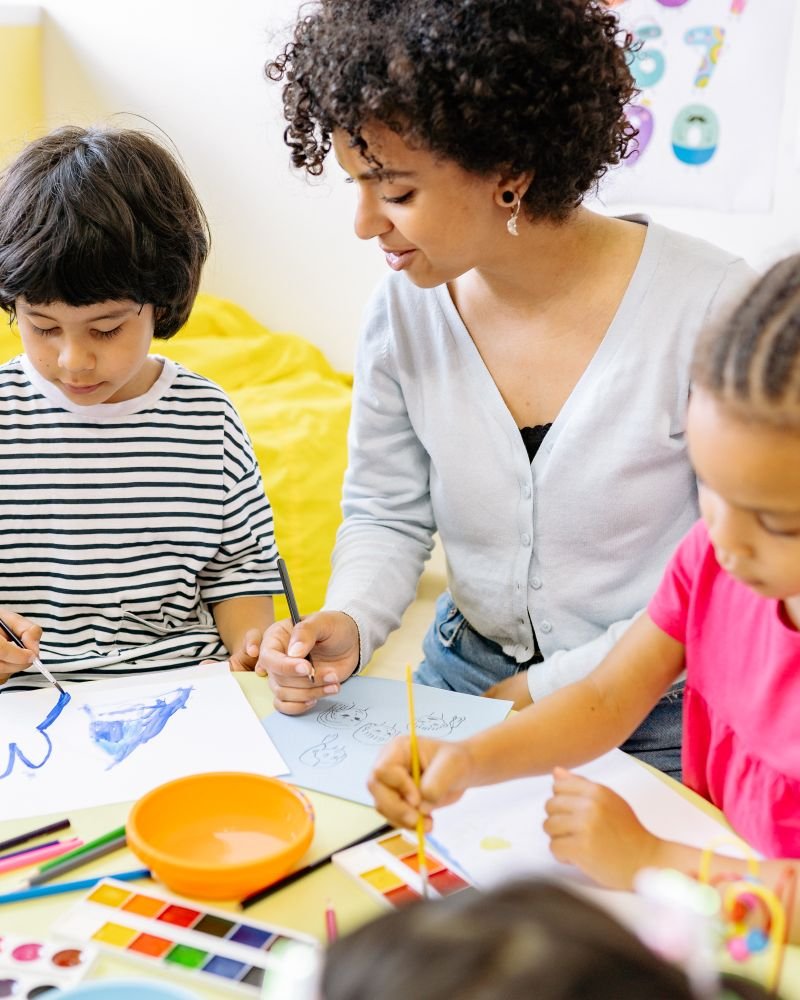
School support starts with watching. With your consent I spend time in the classroom and see what actually happens — not what is reported afterwards. Often the problem is not the child at all but where they sit, when the task comes, or how long they are asked to wait.
From there I work with the teacher, not around them. The recommendations have to be things a real teacher with a real class can do — a seat change, a movement break, a visual timer, a shorter written task with the same learning in it.

When it helps
You do not need all of these. One that keeps repeating is reason enough to ask.
Fine at home, struggling at schoolThe gap itself is the clue worth investigating.
Cannot stay seatedOut of the chair, leaning, fidgeting or slumping constantly.
Never finishes written workCapable in discussion, but the page stays blank.
Transitions trigger meltdownsBreak time, assembly, changing subjects or rooms.
Avoids the playgroundNoise, unpredictability and social demands overwhelm.
Teacher reports 'not trying'Often the sign of a child working far harder than it looks.
What we work on
Seeing the real day — lessons, break, transitions and lunch.
Chair height, foot support, position in the room and lighting.
Timed, legitimate movement that buys back focus.
Same learning, fewer barriers — scribing, chunking, extra time.
Short, practical briefings and a one-page strategy sheet.
Preparing for new classes, new schools and exam conditions.
How it works
The same structure for every family — the content inside is built around your child.
Step 1
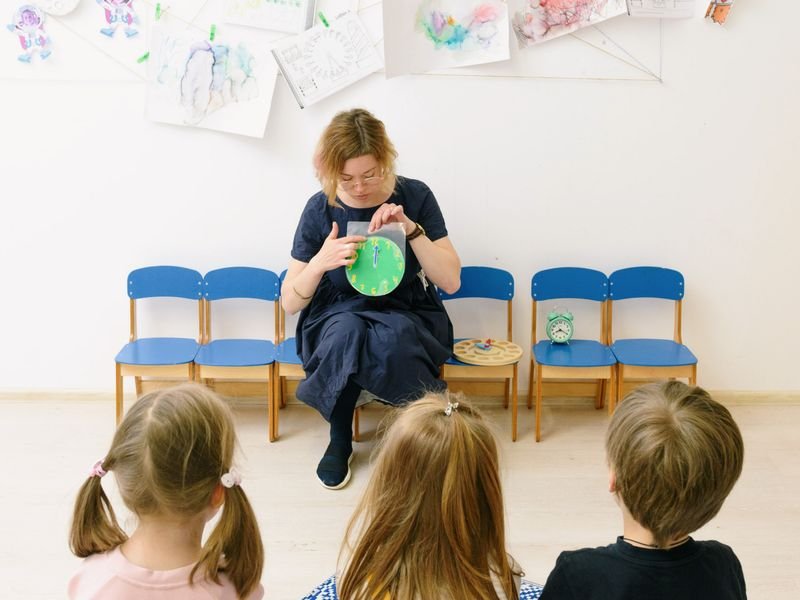
With written consent from you and the school, I observe across different parts of the day — a lesson, a transition, break time. I am looking at the environment as much as the child.

Step 2
You and the school receive one page — not a twenty-page report nobody reads. Specific, realistic adjustments, each with the reason behind it so the teacher can adapt it themselves.

Step 3
We check back after a few weeks. Some strategies work immediately, some need changing, and some reveal a need I had not seen. The plan is meant to move.
Tools & activities
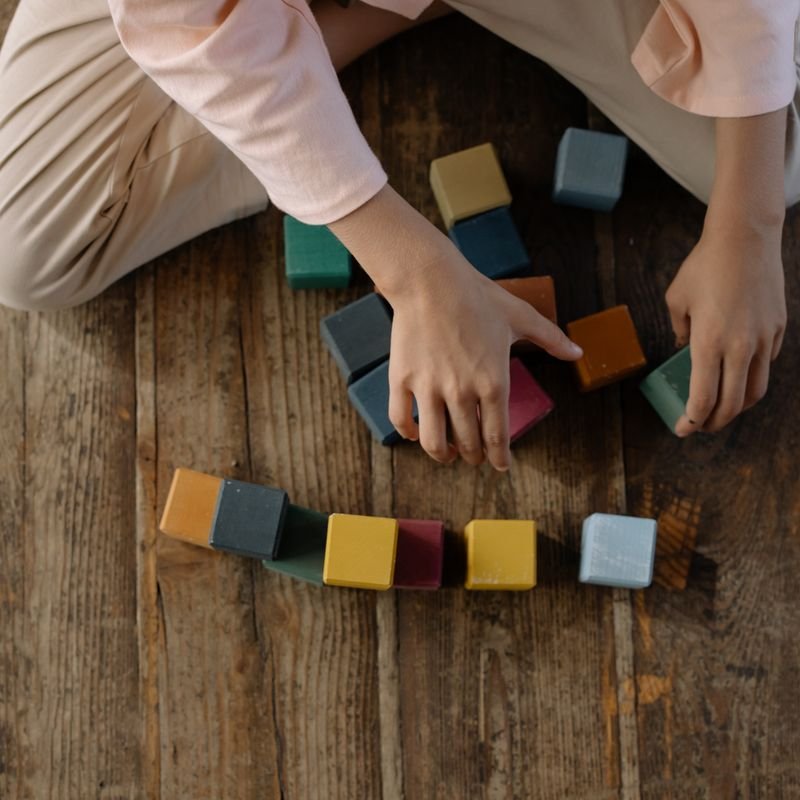
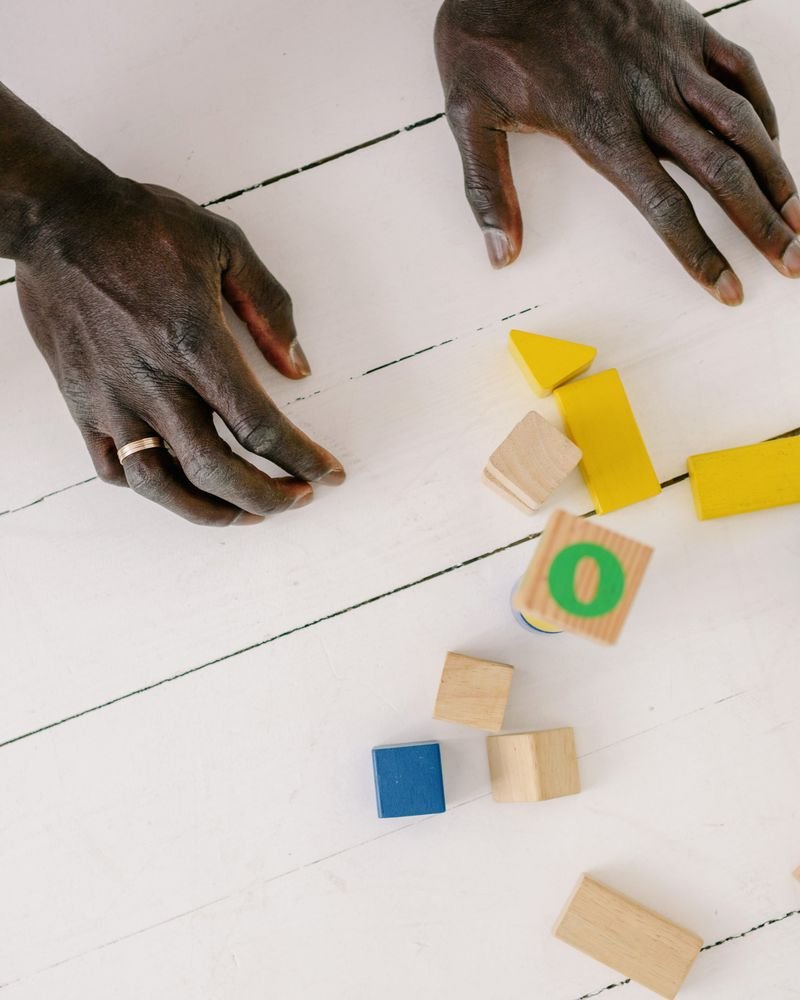
Nothing here is magic — it is ordinary equipment used with a clear therapeutic reason. Most of what goes home is built from things you already own.
Progress
Goals are written in plain language, so you always know what we are working toward and whether we are getting there.
Staying seated through a lesson
Finishing written work in class
Calmer transitions and break times
A teacher who knows what helps
FAQ
Most do, when the recommendations are realistic and respectful of how hard teaching is. I come as support for the teacher, not as an inspector.
Yes. Lebanese schools vary enormously in structure and language load, and the strategies are adapted to the actual school rather than a generic model.
Not for most of these adjustments. A seat change or a movement break needs no label — just a teacher who understands why it helps.
Then we focus on what you control — the home side, the morning routine, homework setup — and I will tell you honestly if I think the setting is the wrong fit for your child.
Related
Most children benefit from more than one. We agree the mix in the free consultation.
Grip, hand strength and letter formation — so writing stops being a battle.
Learn moreHelping a child's nervous system make sense of sound, touch and movement.
Learn morePractical routines and strategies you can actually run at home.
Learn more
Start with a free consultation. We will talk it through and I will tell you honestly whether this is the right place to begin.