Dressing
Buttons, zips, laces, socks — and the order that makes it possible.
Occupational therapy
Dressing, eating, brushing teeth and sleeping — practised step by step until they belong to your child.
What it is
Occupational therapists call these activities of daily living. They are the ones that decide whether a morning starts calmly or in tears, whether a child can accept a sleepover, whether a parent gets to leave the house on time.
We break each routine into its real steps, find the exact one where it falls apart, and build from there — with visual supports, adapted tools and enough repetition that it becomes automatic. The goal is not compliance. It is a child who can do it without you.
When it helps
You do not need all of these. One that keeps repeating is reason enough to ask.
Still fully dressed by a parentBeyond the age peers manage it themselves.
Mealtimes are a daily struggleVery few accepted foods, or very long meals.
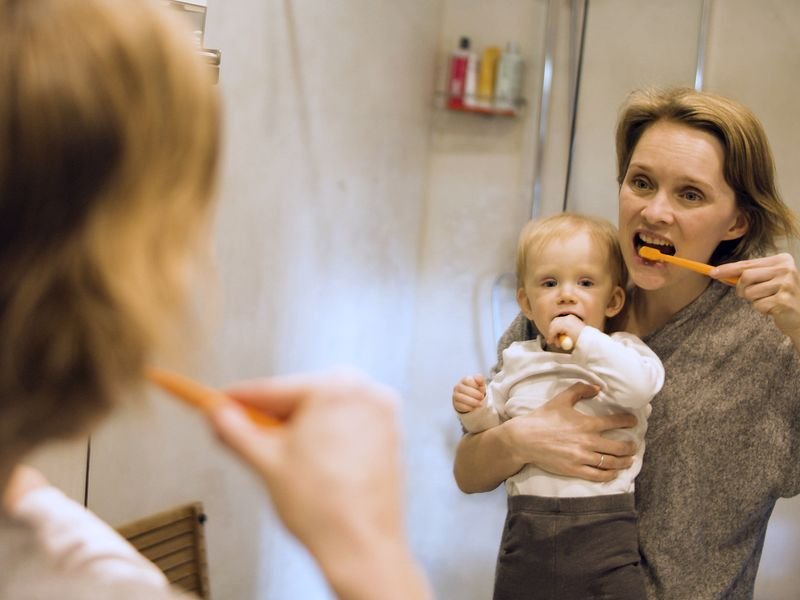
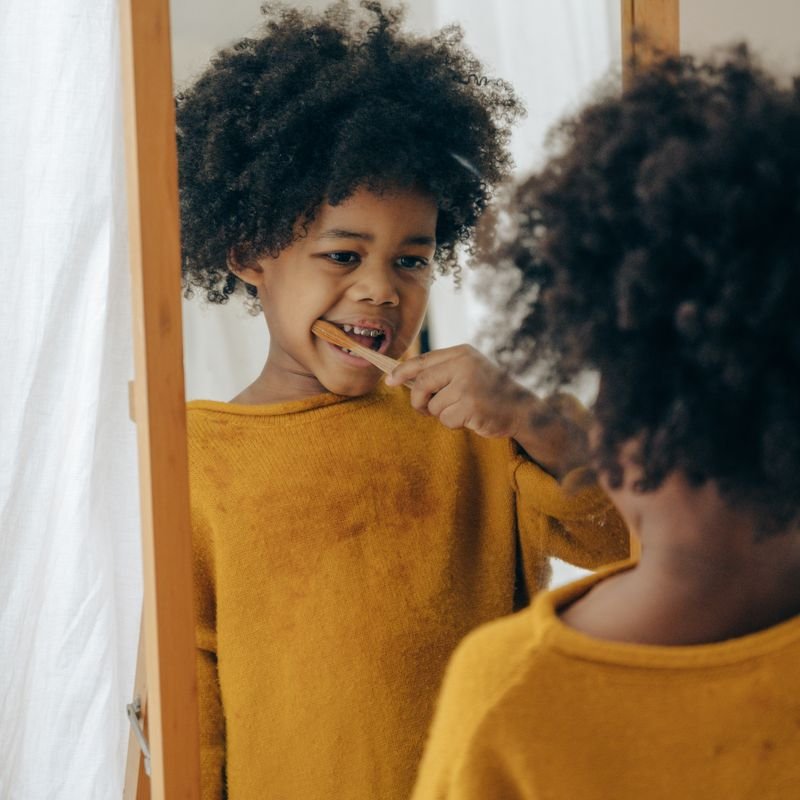
Resists bathing or tooth brushingWater, toothpaste or the toothbrush itself causes distress.
Toilet training is stuckLong past the expected age, or regressed.
Bedtime takes hoursCannot settle, or wakes repeatedly through the night.
Needs constant promptingCannot sequence a routine without step-by-step reminders.
What we work on
Buttons, zips, laces, socks — and the order that makes it possible.
Widening food range, cutlery skills and sitting through a meal.
Reading body signals, routines and the sensory side of the bathroom.
Washing, brushing and grooming that a child can own themselves.
A predictable, sensory-smart wind-down that actually works.
Visual schedules so a child runs the routine, not the adult.
How it works
The same structure for every family — the content inside is built around your child.
Step 1
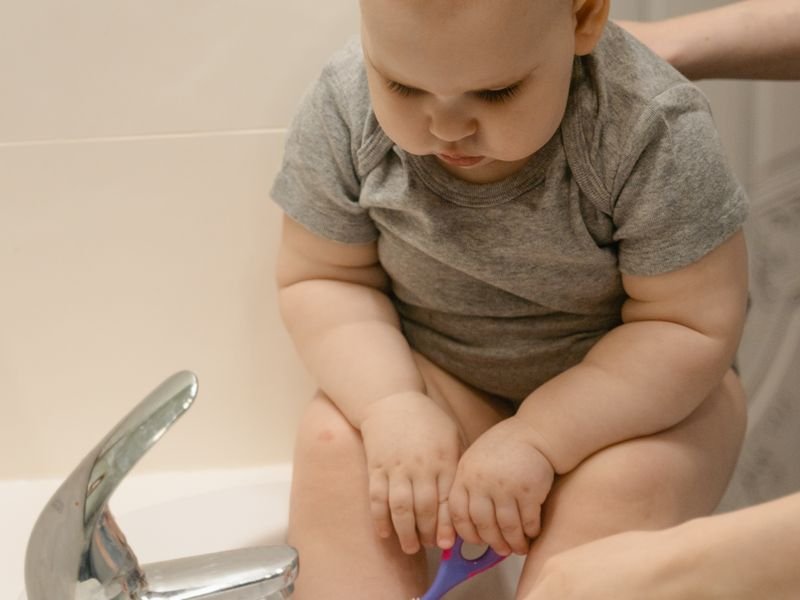
You describe a morning exactly as it happens — not as it should. We write down every step and find the precise point where it breaks: the sock seam, the rushing, the noise of three siblings.
Step 2
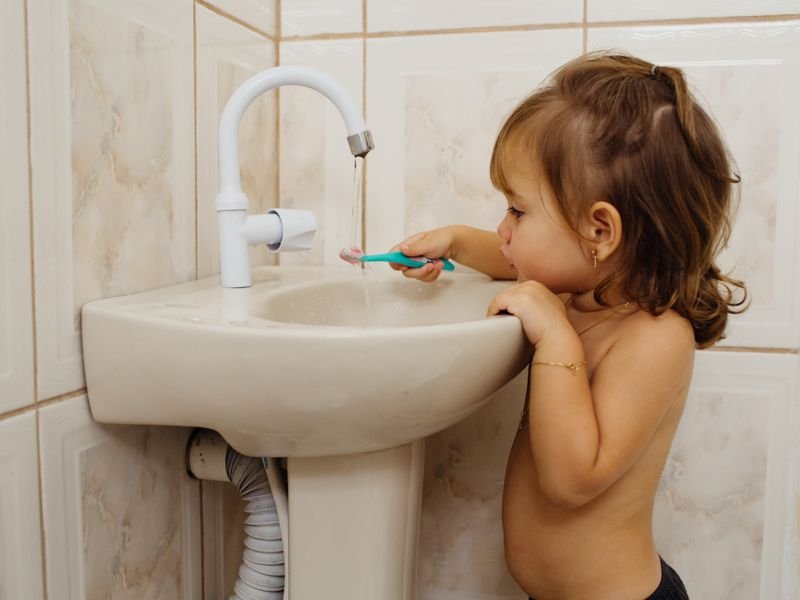
We change what can be changed — elastic laces, a step stool, a visual chart, a quieter slot in the morning — then rehearse the routine in session until the sequence is genuinely learned.

Step 3
Support is removed deliberately, one prompt at a time, until your child completes the routine alone. We then transfer it to new settings — grandparents, school, travel.
Tools & activities
Nothing here is magic — it is ordinary equipment used with a clear therapeutic reason. Most of what goes home is built from things you already own.
Progress
Goals are written in plain language, so you always know what we are working toward and whether we are getting there.
Dressing independently in the morning
A calmer, shorter mealtime
Sleeping through the night more often
A child proud of doing it alone
FAQ
That is worth looking at closely. Often a child can manage a skill in a calm room but not under morning pressure, noise or fatigue. Capacity and consistency are different things.
One routine. We pick the one causing the most daily stress and solve that properly. Success there usually makes the next one far easier.
Often yes — when it is driven by texture, smell or oral-motor difficulty rather than preference. If I suspect a medical or nutritional cause, I will refer you on.
It has to. Everyone who runs the routine gets the same visual chart and the same short explanation, otherwise the child receives three different sets of rules.
Related
Most children benefit from more than one. We agree the mix in the free consultation.
Helping a child's nervous system make sense of sound, touch and movement.
Learn morePractical routines and strategies you can actually run at home.
Learn moreStructured, joyful play that rebuilds connection between child and parent.
Learn more
Start with a free consultation. We will talk it through and I will tell you honestly whether this is the right place to begin.